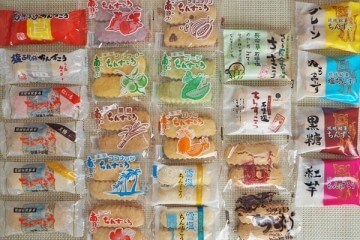




 When you go to Okinawa, you'll see Yachimun pottery everywhere in restaurants and souvenir shops.
Have you been using something you bought as a souvenir of your trip to Okinawa, without ever using it again?
Pottery, being made from clay, is highly absorbent and prone to stains and odors.
Therefore, it's important to "seal" the wood before use to prevent these problems and maintain the original texture for a long time!
"By the way, some of you might be wondering, 'What is seam sealing?' So, this time, I'll show you how to seal the seams of Yachimun pottery. After all, you've brought home a Yachimun piece that you really like."
Take a little extra care from the start, and you'll be able to enjoy using it for a long time!
<Table of Contents>
1. Sealing prevents stains and odors.
2. Yachimun pottery that requires sealing and Yachimun pottery that does not.
3. How to seal the pores of Yachimun pottery
4. Precautions for sealing the pores
XNUMX.in conclusion
1. Sealing prevents stains and odors.
 Although I said, "Let's seal the wood!", not sealing it won't cause any inconvenience when you use it.
Even if you use it without knowing about the sealing process, the vessel will still perform its function perfectly well.
However, if you use it as is, dark-colored dishes can easily leave stains, and strong-smelling dishes can easily leave lingering odors.
Okinawan pottery (Yachimun) has many tiny holes and cracks that are invisible to the naked eye. If left as is, it absorbs water too well, causing moisture from food to seep in and leave stubborn stains and odors.
Since you've found your favorite Yachimun pottery and purchased it, you'll want to use it for a long time while preserving its original texture, right? That's why sealing the pores is necessary.
2. Yachimun pottery that requires sealing and Yachimun pottery that does not.
To begin with, Yachimun refers to "pottery made in Okinawa."
Furthermore, there are two types of Yachimun pottery: porcelain and earthenware.
Depending on the type, sealing may not be necessary.
Therefore, first, check whether or not the Yachimun pottery you purchased requires sealing treatment.
 This is a type of Yachimun pottery called "ceramic."
Since it is mainly made from soil and easily absorbs moisture, sealing is necessary.
 And this is a "porcelain" type of Yachimun pottery.
Because it is primarily made from stone, it does not easily absorb water and does not require sealing.
Earthenware Yachimun pottery is characterized by its plump thickness and rough texture, while porcelain Yachimun pottery is known for its smooth appearance and feel.
When purchasing Yachimun pottery at a store, it's best to confirm whether or not it requires sealing. However, if you already own Yachimun pottery, check its appearance and texture before sealing it.
3. How to seal the pores of Yachimun pottery
There are four materials needed for sealing.
・Yachimun
A large pot that can completely fit Yachimun pottery.
Rice water
·cloth
If you don't have rice water, you can substitute it by dissolving a little wheat flour or potato starch in water until it becomes slightly thick. Now, let's get started with the sealing process!
 ① Wrap the Yachimun pottery in cloth to prevent it from bumping into each other or into the pot, and then place it in the pot.
② Pour in plenty of rice water.
③ Once it boils, reduce the heat to low and simmer for about 20 minutes.
④ Let it cool naturally while soaking in the rice water.
⑤ Wash to remove slime and let it air dry.
The process is extremely simple!
By boiling the pottery in rice water, the starch particles from the rice penetrate into the tiny holes and cracks in the Yachimun pottery, preemptively filling in any gaps that could otherwise be filled with moisture from the food.
4. Precautions for sealing the pores
The most important point is to cover it thoroughly with cloth.
When the water boils, the yachimun pottery shakes around inside the pot, increasing the likelihood of the pieces bumping into each other or into the pot, potentially causing them to crack or chip.
To prevent the Yachimun pottery from moving around too much in the rice water, please cover it carefully with a cloth.
Also, even after sealing the wood properly, don't forget to handle it carefully.
Leaving food on the dish or soaking it in water in the sink is a no-no, and of course, you should avoid using a dishwasher.
XNUMX. in conclusion
 It might be a little troublesome, but to ensure you can use it for a long time, please don't hesitate to take that first step.
Also, rinsing the dishes with water before serving food makes it harder for the food's moisture to soak in, so if you want to take extra care of your dishes and "season" them properly, try adding this extra step each time you use them.
And just because you've sealed the wood doesn't mean it's completely immune to stains and odors.
I once accidentally placed blueberries on a white Yachimun ceramic plate, and a faint purple stain remained... Please be careful when serving brightly colored or strongly flavored dishes!
Please make your hotel reservation here.
 Rakuten Travel
 Jalan net


Shirokuma Tours offers affordable Okinawa package tours. A wide variety of options are available, including tours to Ishigaki and Miyako Islands.


For local experiences and optional tours such as snorkeling and sightseeing bus tours, choose Tabi Plus One.


For diving in Okinawa, from license acquisition and fun dives to introductory experiences, choose Oceans Dive Tour.
Articles from the same area
 Currently the hottest thing in Okinawa! A detailed explanation of the appeal of flyboarding!
 Answering your questions about traveling to Okinawa during Silver Week! [2023 Edition]
 GoTo Campaign Eligible Okinawa Tours: Summary of Key Points Including Discount Amounts and Exclusion Rules
 Okinawa Music Festival [2026-2027]: Experience the sounds and atmosphere of Okinawa with all your senses!
 Behind the scenes of the creation of the Okinawa Lab app-exclusive "Okinawa Lab Gift Box"
 7 Stylish Okinawan Souvenirs That Will Make You Want to Ask Where to Buy Them
Articles on the same topic
 Funny stories about life in Okinawa from a wife who has moved there | Part 4: Okinawa's four seasons
 Want to try Okinawan food? Easy recipes you can try at home! | Papaya
 Clothing Guide for Enjoying Winter in Okinawa, by Situation
 Getting married in Okinawa ♡ A complete guide to destination weddings! Costs, chapels, photo weddings, etc.
 This article introduces "Shiraho Coral Village" and other spots where you can enjoy the coral reefs of Shiraho!
 No more getting lost! 3 ways to get to Churaumi Aquarium by bus