



In Okinawa, there's an activity called whale swimming where you can snorkel and see humpback whales swimming!
This time, I will provide a detailed account based on my own experience of actually participating in a whale swim.
1. When is the best time of year for whale swimming and which tours are available?
2. Let's go whale swimming!
3. Clothing and belongings
4. Conclusion
Show all table of contents
1. When is the best time of year for whale swimming and which tours are available?

Every winter (late December to early April), humpback whales migrate from the northern seas to the waters off Okinawa to give birth and raise their young.
Therefore, the period when whale swimming is possible is generally a short two-month period, from around the end of January to March.

The Kerama Islands are the most popular spot for whale swimming in Okinawa, so many tours depart from Naha. Tour prices typically start from 20,000 yen per person for a one-day course, and snorkeling equipment and wetsuits are usually provided.

Also, the conditions for participating in the whale swim tour include:A diving license, or a skin diving or freediving certification is required.This is the general case.
Since I didn't have any qualifications initially, I obtained a skin diver's license beforehand through a half-day program. Be sure to check the details of each license and the tour company's participation requirements!
2. Let's go whale swimming!

The tour starts at 7:30 AM, meeting at Naha Port. Most whale tours departing from Naha will provide pick-up and drop-off from your hotel in Naha city if you inform them in advance.
I stayed in Naha the night before, feeling excited and nervous all day. On the day of departure, I wore my swimsuit under my clothes and was ready to go. After being picked up by the shuttle car, I arrived at the port while signing the rules and regulations.
Because I had completed all the detailed checklist items when I applied online, the procedures on the day went very smoothly.
Once all participants have arrived, we will board the ship.

It takes a little less than an hour to reach the whale sighting spots around the Kerama Islands. You will receive your wetsuit, fins, and other equipment in the size you specified when making your reservation, and change into them on board the boat.

After you've finished changing, you'll receive an explanation of the rules for the tour.
The basic approach is to get ahead of the whale's direction of travel, float on the water, and observe it from above as it passes by.
Waiting and observation sessions are limited to about 10-15 minutes each. While the whales are in the water, it is not permitted to approach them by kicking your legs or diving.
Whales, especially those raising their young, are very wary, so it's important to observe them quietly and avoid frightening them.

After moving to the port and beginning our whale-watching, we spotted a whale's dorsal fin about an hour after departure! Following the guide's signal, we finally entered the sea.

The whales coming from the other side are a mother, her calf, and a male whale called an escort.
It swam far below us, but because the whale itself is so big, we could still see it clearly! I was so moved by its graceful swimming!
Sometimes the whales pass by, and sometimes they stay close to us. When they pass by, we get back on the boat, then we get ahead of them and go back into the sea to wait, and so on.

After repeating the process about four times, a baby whale surfaced nearby to breathe.
The sparkling sunlight shining down on the baby whale was truly magnificent.
The sight of the baby whale innocently cuddling with its mother is incredibly cute!

We enjoyed about six whale swims throughout the day, with lunch on board in between, and started packing up to head back around 14:30 PM.
There are showers on board, so take turns using them and change into your clothes in the changing room. Once we reach land, we will either disperse or be transported to your hotel in Naha city.
3. Clothing and belongings

For a whale swim tour, bring a change of clothes, a towel, sandals, lunch (depending on the tour), and your swimsuit (wear it under your clothes). Since the waves are higher during the winter tour season, bring motion sickness medication as well.
If you want to avoid sunburn, don't forget to bring sunscreen for your face. Wetsuits, snorkel sets, etc., are available for rent from most tour companies (prices vary by company). You may also be able to bring fins and underwater cameras such as GoPros, but there may be size restrictions, so be sure to check with each tour company.
*Examples: Long fins are prohibited. Underwater camera extension poles must be less than 30cm (shortest length).
4. Conclusion
I was surprised to learn that such a rare whale swimming experience could be had in the waters of Okinawa, something I hadn't known about for years. It was an incredibly moving experience that's beyond compare!
Since they are wild animals, there's no guarantee you'll see them just by joining a tour, but the feeling of encountering them while enjoying the same Okinawan sea is truly special.
Please follow the tour guide's instructions to avoid stressing the whales.


Shirokuma Tours offers affordable Okinawa package tours. A wide variety of options are available, including tours to Ishigaki and Miyako Islands.


For local experiences and optional tours such as snorkeling and sightseeing bus tours, choose Tabi Plus One.


For diving in Okinawa, from license acquisition and fun dives to introductory experiences, choose Oceans Dive Tour.
Articles from the same area
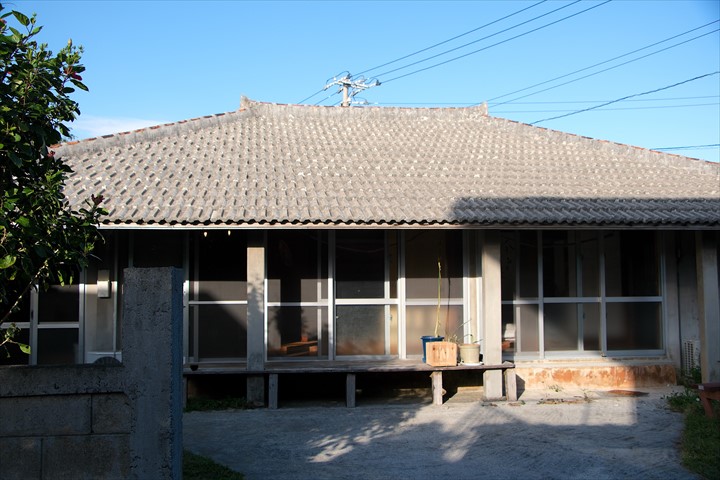 Homestay limited to one group per day. A special time woven in a traditional house on Kumejima Island: "Guesthouse Sou" accommodation experience
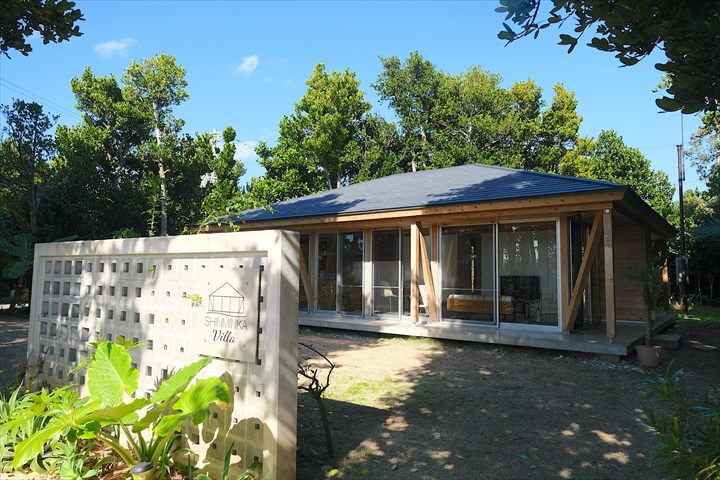 Enjoy a private, exclusive stay on Kumejima Island. Three recommended hidden gem accommodations limited to one group per day.
 Grandma's cooking class on Kumejima Island! Relaxing yet incredibly fulfilling island time.
 A journey to be moved by the Kerama Blue. The allure of diving in Tokashiki Island!
 Savor the diverse bounty of the island! 9 must-try gourmet dishes from Kumejima Island
 Explore Kumejima Island on a leisurely bike ride! Discover the island's charm from a bicycle perspective.
Articles on the same topic
 A mysterious world slumbering beneath the earth! Exploring caves on a southern island is truly amazing!
 Stunning views + cafe + ♡ = Kouri Ocean Tower! A great place for couples to visit!
 Find the glass heart! Let's go to Ryukyu Glass Village, Okinawa's largest glass workshop!
 A mermaid appears behind the shopping mall!? @Nakagusuku Mall Beach
 A must-see for first-time visitors to Miyako Island! 6 recommended beaches in Miyako Island
 Kayaking in Ishigaki Island: An Experience Report - Enchanted by Mangroves, Sunsets, and Starry Skies