


 The Tsuboya Pottery Festival is an annual festival celebrating Okinawan pottery, or yachimun, held every November.
From high-end Shisa statues to chopstick rests perfect as small souvenirs, the diverse lineup is irresistible to pottery lovers.
With approximately 30 pottery studios from across the prefecture gathered together, there's a chance you might stumble upon some unexpected treasures.
The venue also features daily events, such as competitions where potters create works on the spot to showcase their skills, and auctions.
Even those who don't usually have many opportunities to interact with pottery can easily enjoy this.
This time, I actually participated in the event! I'll bring you a report on what the venue was like.
<Contents>
1. A look at the festival
1-1 A wide selection of charming Yachimun pottery!
1-2 Daily events are the highlight.
2. Conclusion
1. A look at the festival
 This year marks the 38th annual Tsuboya Pottery Festival.
It is being held at the playground of Tsuboya Elementary School, which is a 5-minute walk from Yui Rail Makishi Station.
 Yachimun is an Okinawan dialect word meaning pottery. Its history is said to have begun 400 years ago during the Ryukyu Kingdom era when potters were gathered in Tsuboya.
The designs, which feature motifs from nature such as plants and fish, and the warm color palette blend seamlessly into everyday life.
The exhibition and sale features a unique selection of items, ranging from traditional pieces to those made by elementary school students—items you can only find here.
While most items are sold at a 2% discount, some are even cheaper! It's great that you can enjoy Yachimun pottery, which can be surprisingly expensive, at reasonable prices on this day.
There are also some small food stalls and rest areas, so you can take your time and find your favorite Yachimun pottery.
Even though I grew up in Okinawa, this is actually my first time going to the Tsuboya Pottery Festival.
I had no idea such a wonderful festival was being held nearby.
1-1 A wide selection of charming Yachimun pottery!
Each exhibition booth features a wide array of unique Yachimun pottery, perfect for everyday use. "Makai" means bowl in the Okinawan dialect, and this design features the leaves of the "koba" tree, which is used for fans and hats.
The simple yet stylish design is sure to bring a sense of calm to your dining table.
Apparently, a 6-inch bowl is just the right size for soba or udon noodles, while a 5-inch bowl is perfect for rice bowls.
These turquoise blue plates, as beautiful as the Okinawan sea, are a popular design among Okinawan pottery (Yachimun). They seem like they would go well with sweets or ethnic dishes.
These whimsical plates are popular with young women.
There were also mugs with cute cat designs.
Furthermore, the Shisa, which can be considered a symbol of Okinawa's guardian deities, is an indispensable element in Yachimun pottery. Prices ranged from under 1,000 yen to the most expensive item at the venue that day, a Shisa statue costing 32 yen.
Each piece has a unique expression, and the characteristics and techniques used vary greatly depending on the potter. You can enjoy just looking at them.
And among the many options, this plate caught my eye.
The elegant curves are deeply carved. I am captivated by the beautiful red enamel painting of fish motifs.
I was delighted to have the opportunity to speak directly with the creator, which further deepened my appreciation for the work. Akifumi Kobashigawa (Kiyomasa Pottery Akifumi Studio): Ceramic artist who created the giant Shisa statues on Kokusai Street, among other works.
One of the great things about the Tsuboya Pottery Festival is the opportunity to communicate with potters you wouldn't normally get to meet. Other items include books and goods related to Yachimun pottery, sold by local volunteers.
There were also panel booths where you could actually see and touch things, making learning fun.
2-2 The daily events are packed with highlights!
 The Tsuboya Pottery Festival offers more than just exhibitions and sales.
There are also daily events such as a raffle corner, interviews with potters, auctions, and flag-bearing demonstrations.
Among them, the most popular is "Kamisouve," which takes place on the final day.
Potters compete in a relay format, quickly and beautifully creating pieces based on a given theme. You can witness the masterful skills up close!
On the second day of my visit, an Okinawan pottery auction was being held. The photo shows the scene 20 minutes before the auction.
I pick up the Yachimun pottery to feel its texture and prepare for the upcoming auction.
 When the host announced, "Starting from 1000 yen!", enthusiastic voices of "2000 yen!" and "3000 yen!" erupted from all over the venue, creating a lively atmosphere!
 However, it wasn't like a pottery or yachimun event, or a fishing port auction; the warm and friendly atmosphere was what left the strongest impression.
 After finishing watching the auction, I'll end the day with Okinawan soba.
Perhaps because it was served in a Yachimun bowl, the deliciousness of the Okinawan soba was enhanced even further.
2. Conclusion
 Here's a list of the items I bought almost unconsciously this time.
Just holding it in my hands and looking at it makes me happy.
I never realized that the Yachimun pottery I use every day is so beautiful and full of character...
Taking this opportunity, I would like to learn more about "Yachimun" pottery using the introductory book recommended by the guide.
The Tsuboya Pottery Festival, packed with the charm of Yachimun pottery, is held every November.
Why not try finding your own special "Yachimun" pottery?
|
[basic information] 2018 39th Tsuboya Pottery Festival Date and Time: November 23rd (Fri) - 25th (Sun) (10:00 - 18:00) Venue: Naha City Tsuboya Elementary School Address: 3-14-12 Makishi, Naha City, Okinawa Prefecture Admission fee: Free Parking: No parking information provided (the Fureai Pottery Making Area is a paid parking area). Public transport: 3-minute walk from Makishi Station on the Yui Rail (Okinawa Monorail) *There is no dedicated parking at the venue, so we recommend using public transportation to get there! [Reference Site] 壺屋陶器事好協同組合 |
Please make your hotel reservation here.
 Rakuten Travel
 Jalan net


Shirokuma Tours offers affordable Okinawa package tours. A wide variety of options are available, including tours to Ishigaki and Miyako Islands.


For local experiences and optional tours such as snorkeling and sightseeing bus tours, choose Tabi Plus One.


For diving in Okinawa, from license acquisition and fun dives to introductory experiences, choose Oceans Dive Tour.
Articles from the same area
 There are plenty of other tourist attractions besides Shuri Castle! A leisurely stroll through Shuri.
 21 Must-See Tourist Spots Around Naha
 [Hotel Stay Report] I stayed at the Okinawa Miyako Hotel and thoroughly enjoyed sightseeing in Naha!
 ~A Middle-Aged Photographer's Island Stroll~ Cafe Hopping: "Tasokare Coffee" Edition
 A roundup of Okinawa's fireworks displays | Let's enjoy Okinawa's nightlife too!
 Searching for your favorite pottery. A leisurely stroll along Tsuboya Yachimun Street♪
Articles on the same topic
 We conducted a thorough investigation of the "New Ishigaki Airport Terminal," which is packed with all the charm of the Yaeyama Islands!
 A must-see spot on Miyako Island! A complete guide to the Irabu Bridge, the longest bridge in Okinawa Prefecture!
 Enjoy the Okinawa tropical illuminations at Southeast Botanical Gardens!
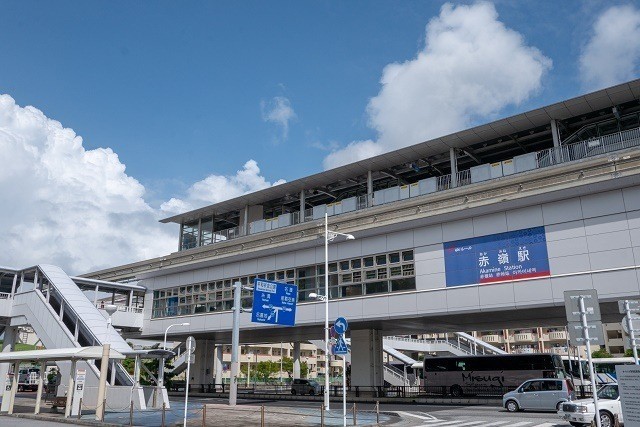 Exploring Okinawa on Foot | A Stroll Along the Yui Rail - Akamine Edition -
 [Closed] Sloth Store was a food select shop where you could buy food from popular restaurants 24 hours a day.
 Easy! Make your own original "island sandals" | What's the difference from flip-flops? We also asked for tips on choosing the right size!