




A fire that broke out on October 31, 2019, destroyed nine buildings at Shuri Castle, including the main hall, as well as other historical artifacts.
Currently, Shuri Castle is focusing on "restoration for public viewing," and we can witness the restoration process firsthand.
In 2022, restoration work on the main hall will finally begin, and a viewing area is scheduled to open in the summer.
The restoration of the main hall is scheduled to be completed in 2026, and then the restoration of the North Hall, South Hall, and other halls will proceed in stages, so it is expected to take many years for everything to be completed.
This article will describe the progress of Shuri Castle's restoration, following the typical route for visitors to the castle.
If you're planning a trip to Shuri Castle, please use this as a reference.
1. Start from Shureimon Gate!

The first gate you pass through when you arrive at Shuri Castle is the Shureimon Gate. This is the gate that is featured on the 2,000 yen banknote.
During the Ryukyu Kingdom era, the king himself would greet envoys from China at this gate.
The words "Shurei no Kuni" written on the gate mean "Ryukyu is a country that values etiquette and manners."

After passing Shureimon Gate, the next gate is Kankaimon Gate. Just before Kankaimon Gate is Sonohyan Utakiishimon Gate, a royal shrine that is also a World Heritage Site.

If you proceed straight through the "Kankaimon" gate, you will find the "Kyukeimon" gate, mainly used by women, on your left, and the "Zuisenmon" gate on your right.

The next gate is the "Rokoku-mon" (Water Clock Gate), which is currently being repainted with lacquer.
"Rokoku" means "water clock." It is said that a water tank was placed on top of the gate tower, and time was measured by the amount of water that leaked from it.

The next attraction, the "Kofukumon" (廣福門) square, also features an active sundial and the Bankoku Shinryo (Bell of the Bridge to All Nations), which are worth seeing.
Up to this point, there was no sign of fire damage. We bought our tickets and proceeded to the paid area where the main hall is located.

2. Speaking of Shuri Castle! What's happening at that place now?

Finally, we reach the "Hoshinmon" gate, just before the main shrine.
The Hoshinmon Gate was also damaged by the fire, and the collapsed roof on the left side had been repaired.
To the right, next to the "Shumi Mori Utaki" (a sacred site), the large dragon pillars that were originally at the entrance to the main hall are on display.

Those who have visited the main hall will surely recognize it.
The large dragon pillar remained standing even amidst the fire.
We are now entering the paid area that is open to the public. When people think of Shuri Castle, many probably picture the courtyard (unaa) in front of the main hall. This is what it looks like now.

Let's also review what it looked like before the fire for comparison.

The main hall that was once at the front is gone, and the distinctive red striped tiles in the plaza have been removed. It looks like a completely different place.
Not only the main hall was destroyed, but also the North Hall, which was located on the left. You can see that rubble and other debris have been removed, and progress is being made towards reconstruction.

Furthermore, the South Hall, which was located on the right side, has also disappeared. Currently, a road has been built to transport reconstruction materials.

To the left of the gate, a temporary viewing deck has been set up for visitors to see the progress of the reconstruction. Numerous boards explaining the reconstruction process are posted, and the interior can be seen through transparent panels.


3. The "visible restoration" of Shuri Castle

A passageway has been created where the main hall once stood, and surviving decorations and other items are on display. (As of May 2022, this area is not open to visitors.)

A fragment of the "Ryuto Munakanazari," a dragon ornament that sat atop the roof as a guardian deity of the main hall.

This is the "remains of the Shuri Castle main hall foundation," which is registered as a World Cultural Heritage site. It is part of the stone foundation of Shuri Castle. (As of May 2022, this area is not open to visitors.)
Based on the remains and other historical information, it appears that Shuri Castle has been rebuilt at least seven times. Since this is the only time you can see it before reconstruction, it's definitely worth a visit.
Furthermore, the "ladies' quarters," which were previously off-limits to men, have been converted into a museum shop.

Across the street is the "Shuri Castle Restoration Exhibition Room".

Inside the Shuri Castle Restoration Exhibition Room, videos are shown depicting the carvings and tile laying of the main hall, as well as the installation of the dragon-head ridge ornament on the main hall's roof.
The exhibits reveal the skills and hard work of many craftsmen and others involved in the construction of Shuri Castle, which was destroyed by fire.
The roof on the north side of the Hoshinmon Gate, which survived the fire, was also intact.

Next to it is the "Yohokoriden," the private chambers of the unmarried princess.

The building houses a rest area where a large screen shows videos about the history of Shuri Castle and the remains of the World Heritage site. There are also vending machines, so you can take a break before heading to the observation deck.

Climbing the stairs next to the Yohoden Hall will take you to the "Agari no Azana" (observation deck).
A view of the entire Shuri Castle from "Higashi no Azana" (Eastern Azana). This is our final destination.

6. Shuri Castle Restoration Schedule
As mentioned at the beginning, the reconstruction schedule for Shuri Castle is as follows: construction of the main hall will begin in 2022, and the temporary building covering the main hall, known as the "Su-yane," is scheduled to be completed in 2023. The main hall is aiming for completion in 2026, and after its completion, the restoration of the North Hall, South Hall, and other structures will begin.

In the "Reconstruction for Visibility" initiative, a viewing area will be created where visitors can observe the restoration work.
It's amazing that they're building a building inside another building.
First, the viewing area for the main hall is scheduled to be completed around the summer of 2022. Since it will be sheltered from the rain and wind, you will be able to visit it anytime.

In the viewing area, you can see the work in progress, including the "full-scale drawing area" where full-scale blueprints are drawn. It's a valuable opportunity to see the people actually making the products at work.
Final thoughts
Despite being destroyed by fire numerous times in the past, Shuri Castle has been rebuilt each time, becoming stronger and more impressive. Supported by many people, Shuri Castle is now steadily progressing with its reconstruction.
I want to visit Shuri Castle again and again to watch it being restored day by day.
- Address
- 1-2 Shuri Kinjo-cho, Naha City, Okinawa Prefecture
- Business hours
- Free area: 8:30 AM - 19:30 PM Paid area: 9:00 AM - 17:30 PM
- Remarks
- Admission fees: Adults 400 yen, High school students 300 yen, Elementary and junior high school students 160 yen
Access: 1-minute walk from Shuri Castle Station or Gibo Station. Parking (small cars): 320 yen per car.


Shirokuma Tours offers affordable Okinawa package tours. A wide variety of options are available, including tours to Ishigaki and Miyako Islands.


For local experiences and optional tours such as snorkeling and sightseeing bus tours, choose Tabi Plus One.


For diving in Okinawa, from license acquisition and fun dives to introductory experiences, choose Oceans Dive Tour.
Articles from the same area
 I went to the Tsuboya Pottery Festival, a pottery fair featuring Okinawan traditional crafts, Yachimun.
 Take a break with delicious Okinawan zenzai and sweet potato parfait at "Uchinaa Chaya Bukubuku" on Yachimun Street.
 Take a break at "Agro Roasted Coffee," a chic cafe nestled in a residential area.
 [Hotel Stay Report] I stayed at the Okinawa Miyako Hotel and thoroughly enjoyed sightseeing in Naha!
 A journey through Okinawa's ghost stories. Spooky Okinawan ghost stories, folk tales, and legendary spots.
 How to Enjoy the Yomiuri Giants' Spring Training Camp in Okinawa: How to Visit, Limited Edition Goods, and Classic Events
Articles on the same topic
 Recommended for experienced Okinawa travelers! Discover stunning scenic spots in Okinawa Prefecture, especially on its outlying islands.
 27 Must-Visit Tourist Spots in Northern Okinawa – From Classic Attractions to Rain-Friendly Indoor Facilities – Model Itineraries Included!
 Miyako Island Girls' Recommendations! Top 5 Cutest & Most Scenic Instagrammable Spots
 Okinawa's classic tourist spot, Manzamo, has been upgraded! I went to check it out!
 Shuri Textile Museum Suikara | A world of stories about beautiful Okinawan traditional fabrics woven with rich colors
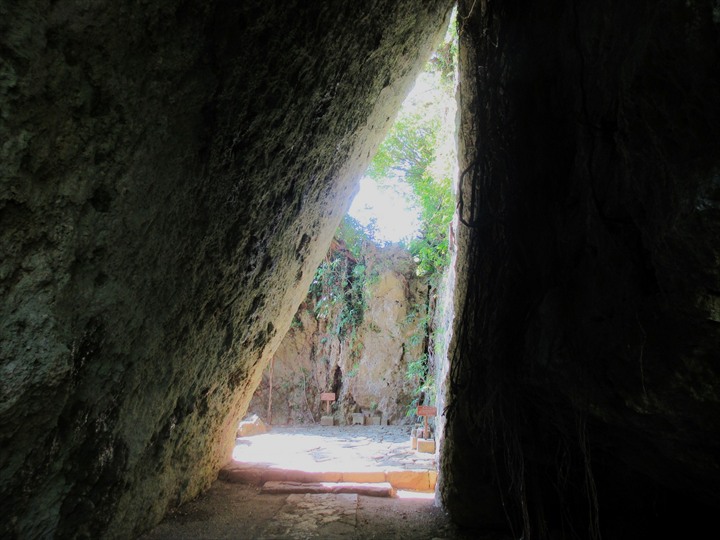 Seifa Utaki, a World Heritage Site, is the most sacred site of the Ryukyu Kingdom.