



Seifa Utaki is a place of prayer where the Ryukyu kings and the highest priestess once prayed for the peace and prosperity of the nation. In December 2000, it was registered as a World Cultural Heritage site as part of the "Gusuku Sites and Related Properties of the Kingdom of Ryukyu."
The mystical space created by the massive boulders, the charming stone-paved path where birdsong echoes, and the lush trees surrounding the sacred site all seem to be filled with an unseen, powerful energy. This historic and noble power spot is a highlight of sightseeing in southern Okinawa Island.
*Please note that access to the area around Sankuri will be prohibited from October 20, 2025 to January 31, 2026 (tentative) due to preservation and repair work.
1. What is Seifa Utaki?
2. Admission Fees and Opening Hours
3. Points to note and advice for visiting Seifa Utaki
4. Chinen Cape Park: A place you might want to visit along with Seifa Utaki.
Show all table of contents
1. What is Seifa Utaki?
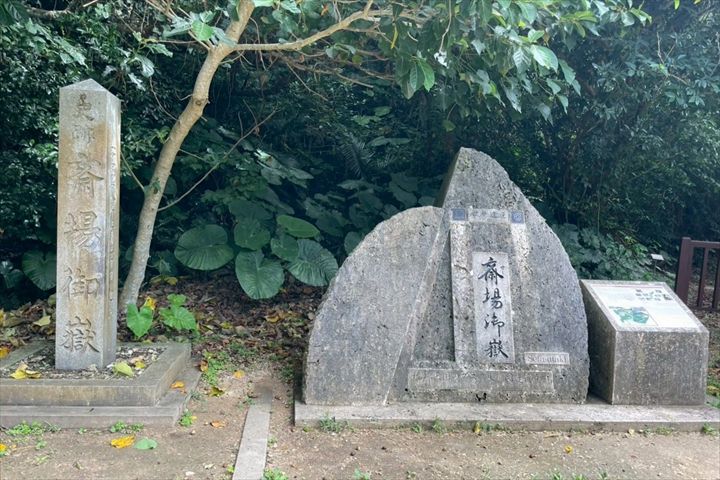
Seifa Utaki is located in Nanjo City in southern Okinawa and is the most sacred site in the Ryukyu Kingdom, where the gods from the creation myth are said to have descended. "Seifa" means "highest rank," and "Utaki" means a sacred space or place of prayer.
During the Ryukyu Kingdom era, only women who presided over religious ceremonies were allowed to enter, and men, including the king, were forbidden from entering the area. It is still revered by many people today as a place of worship for the "Agari-umai," a pilgrimage that preserves the tradition of the Ryukyu's highest priestess, the "Kikoe-ōkimi," to sacred sites.
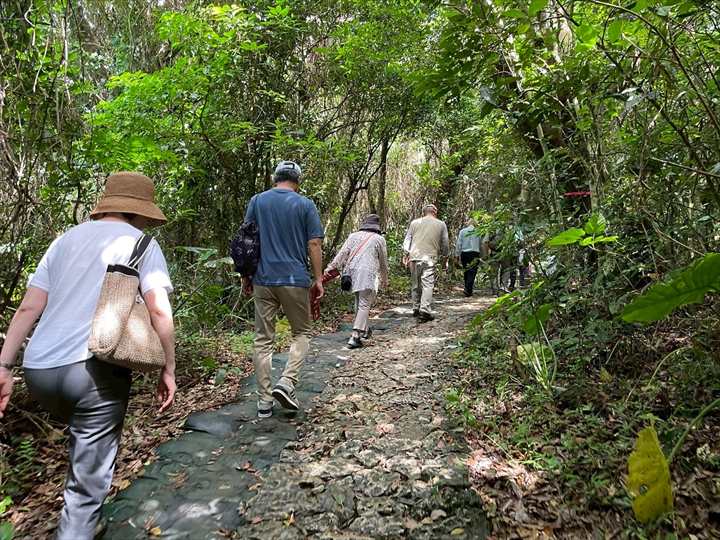
Surrounded by a lush forest, Seifa Utaki has six places of worship—Ufugui, Yuinchi, Shikiyodayuruamaganubi no Tsubo, Amadayuruashikanubi no Tsubo, Sangui, and Chonohana—and you can see them all in just under an hour.
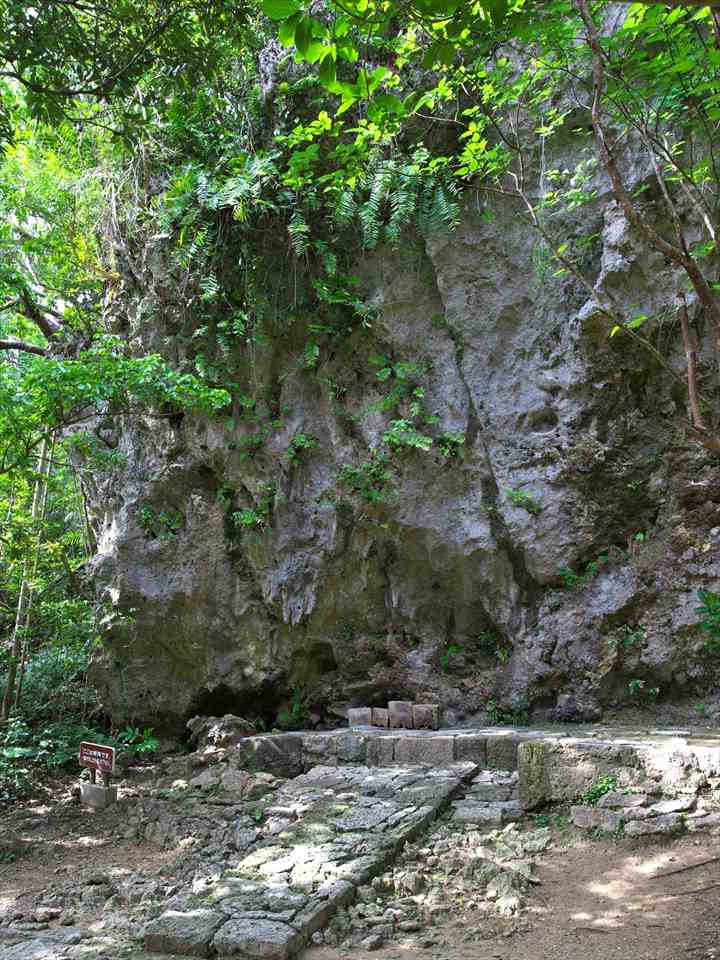
▲Okuri▲
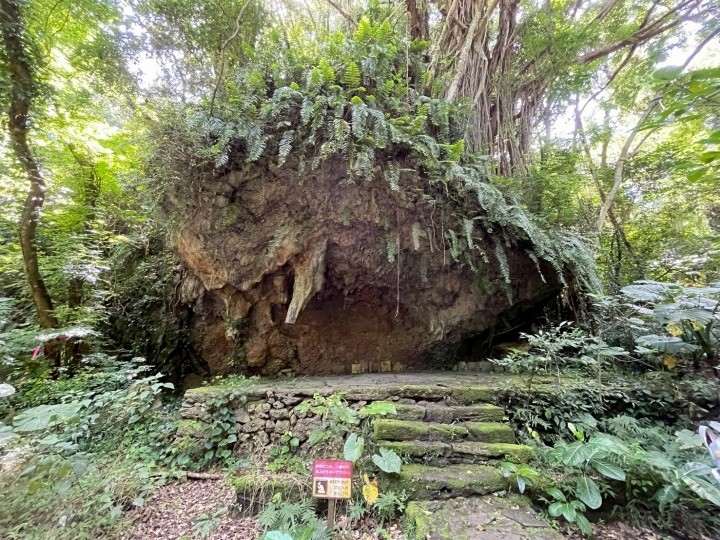
▲Yoriman▲
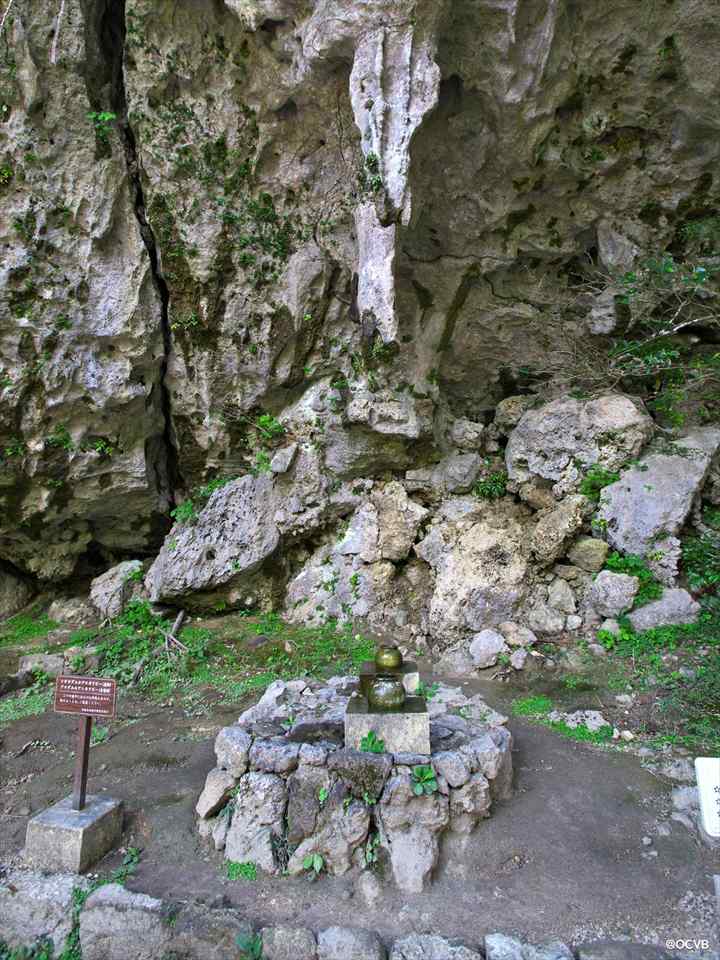
▲Shikiyodayuruamaganubi's pot, Amadayuruashikanubi's pot▲
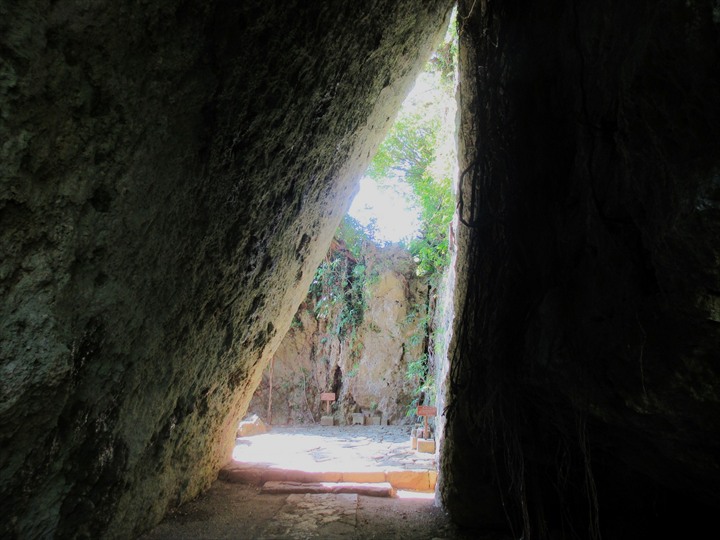
One of the distinctive features of the landscape is the triangular space formed by stacked megaliths that leads to Sankuri and Chounohana. At the end of this space lies Sankuri, and next to it is Chounohana.
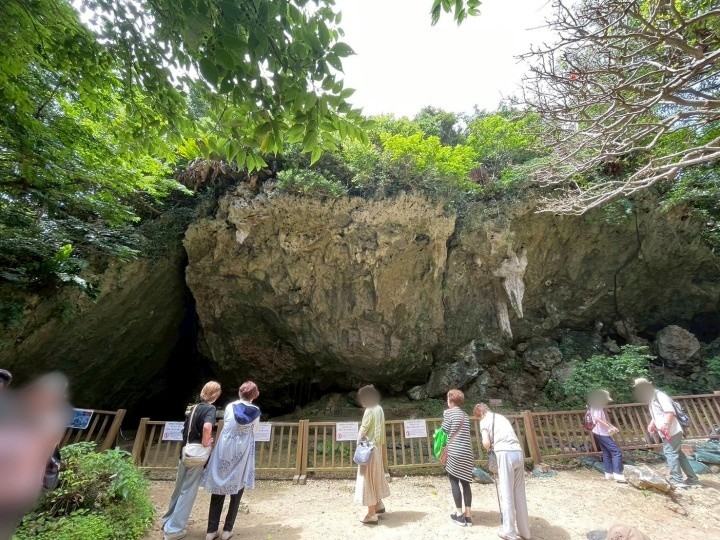
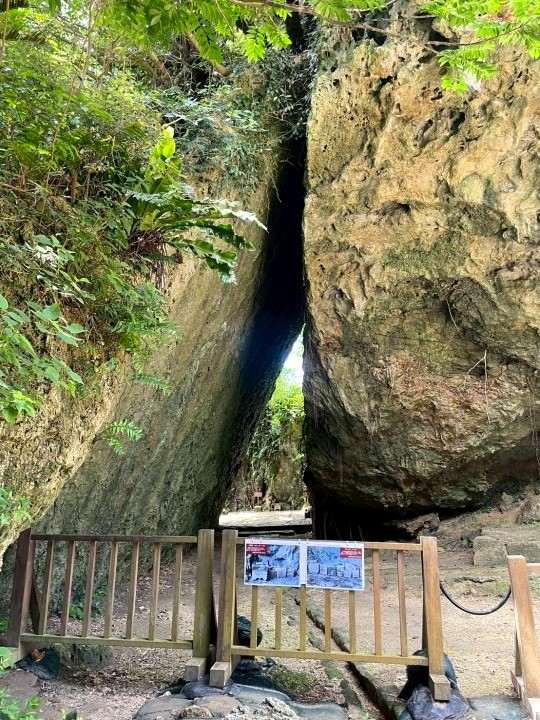
Currently, entry is prohibited to protect the sanctuary, but it is still so mystical that you can't help but stop and gaze upon it.
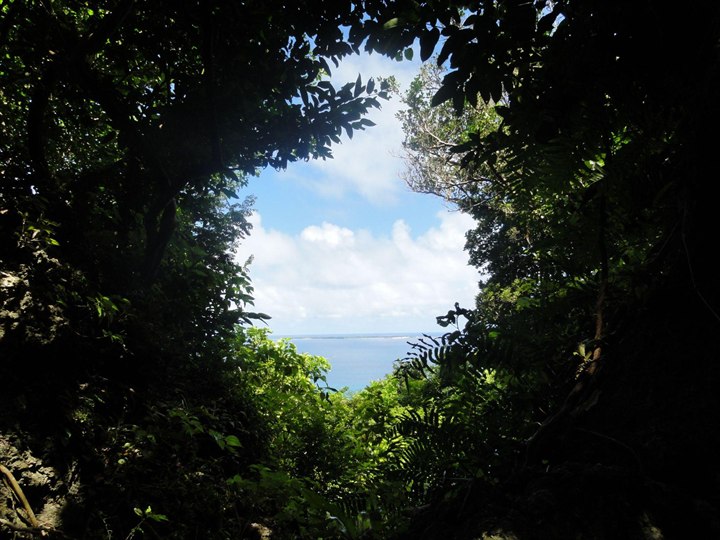
▲Kudaka Island as seen from Sankuri/Chounohana (photographed in 2010)▲
The location of Sankuri Chonohana overlooks Kudaka Island, which is considered the birthplace of Okinawa, making its status as the highest-ranking establishment quite understandable.
2. Admission Fees and Opening Hours
One thing to keep in mind when visiting Seifa Utaki is that the ticket office is located some distance away. The ticket office is at "Ganju Station Nanjo," and the entrance to Seifa Utaki, "Midori no Yakata Seifa," is about a 7-minute walk away. There are guides along the way from Ganju Station Nanjo to Midori no Yakata Seifa.
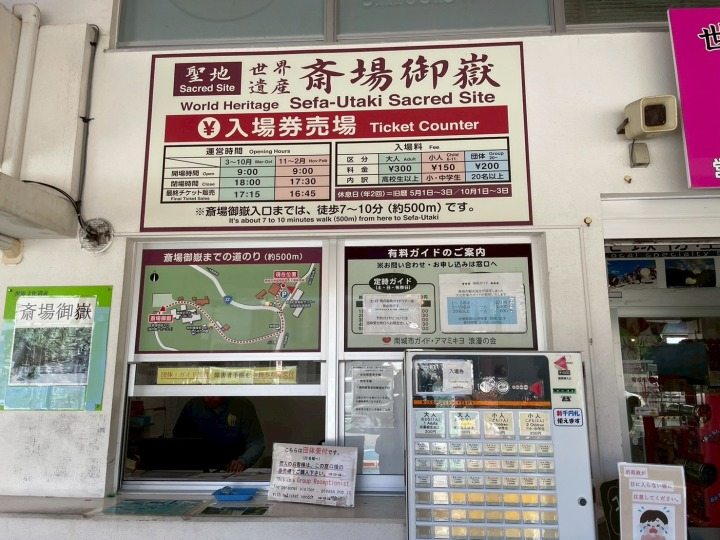
● Seifa Utaki Admission Fee (per person)
Adults 300 yen, elementary and junior high school students 150 yen
*Group rate (20 or more people): 200 yen
Opening hours are 9:00 AM to 6:00 PM from March to October (ticket sales until 5:15 PM), and 9:00 AM to 5:30 PM from November to February (ticket sales until 4:45 PM).
Individuals purchase tickets from the ticket machines, while groups register at the counter.
Additionally, it is possible to book a guided tour for a fee (advance reservations are required by 5 PM two days prior to the date of use).
The price is 2,000 yen for 1-2 people, 1,000 yen per person for 3-19 people, and 800 yen per person for 20 or more people.
- Address
- 541 Chinen Kudeken, Nanjo City, Okinawa Prefecture (Ganju Station Nanjo)
- Business hours
- March to October: 9:00-18:00; November to February: 9:00-17:00; Two days off per year.
- Remarks
- Tickets go on sale 45 minutes before closing, and the last entry is 30 minutes before closing.
3. Points to note and advice for visiting Seifa Utaki
Wear comfortable walking shoes.
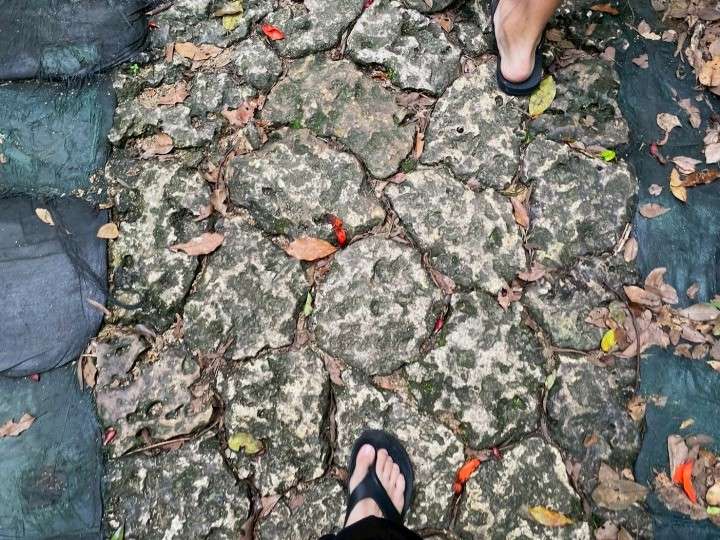
The stone-paved walking paths within Seifa Utaki are well-maintained, but they are uneven and can be slippery when wet, so it's best to avoid wearing heels or other uncomfortable shoes. Sandals are available for rent at the reception, so please ask a staff member if you need them.
When visiting, it is important to respect the sacred nature of the place and to explore it quietly and calmly. Avoid revealing clothing and strive to show respect during your visit.
A parasol is useful
There is very little shade on the way from the ticket office to Seifa Utaki, so a parasol will come in handy. Along the way, you'll find stylish shops, cafes, and craft workshops, so it's worth stopping by before or after visiting Seifa Utaki.
4. Chinen Cape Park: A place you might want to visit along with Seifa Utaki.
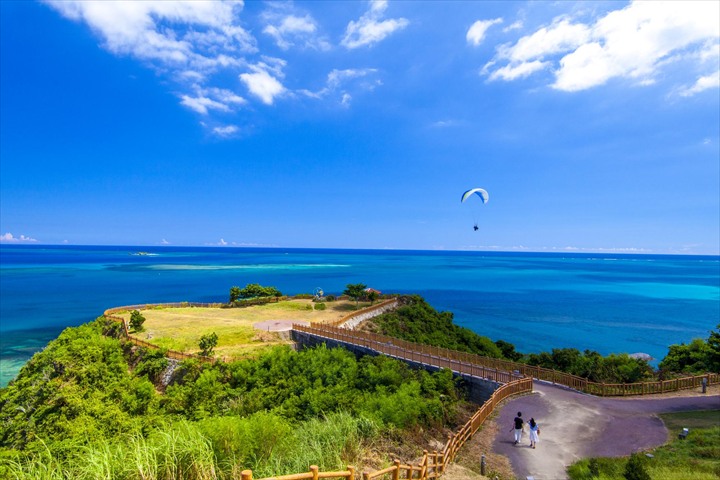
Just a three-minute drive from Seifa Utaki is Chinen Cape Park, which boasts spectacular views. On a clear day, it's a hidden gem offering panoramic views of Kudaka Island, known as the "Island of the Gods," and the cobalt blue sea!
I highly recommend visiting it along with Seifa Utaki.
- Address
- Chinen Kudeken, Nanjo City, Okinawa Prefecture
Please make your hotel reservation here.
 Rakuten Travel
 Jalan net


Shirokuma Tours offers affordable Okinawa package tours. A wide variety of options are available, including tours to Ishigaki and Miyako Islands.


For local experiences and optional tours such as snorkeling and sightseeing bus tours, choose Tabi Plus One.


For diving in Okinawa, from license acquisition and fun dives to introductory experiences, choose Oceans Dive Tour.
Articles from the same area
 What is peace? A journey to the Peace Memorial Park to feel and contemplate the meaning of peace.
 Lunchtime at "Tsuchi-Yume Gohan Cafe," a space featuring a red tile roof and Yachimun pottery.
 Okinawan snack "Po-Po" gets a stylish makeover at "ISLAND PO-PO-" | Senaga Island Umikaji Terrace Gourmet
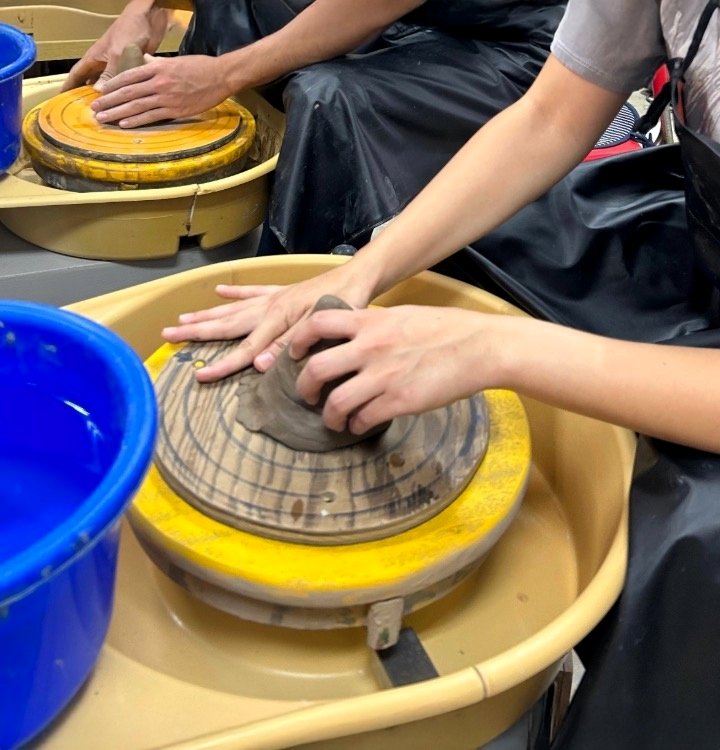 Ceramic Art Cafe ITOMAN | Affordable Yachimun pottery experience! Relax in a small group setting and enjoy a cozy time in Inamuduchi.
 Marumitsu-kun is an Okinawan zenzai (sweet red bean soup) that is heavyweight in taste, quantity, and cuteness.
 Only two hours left until I have to return the rental car! Sightseeing and dining around Naha Airport
Articles on the same topic
 I visited Ikutouen, a long-established pottery studio on Okinawa's Yachimun Street, and took a tour of their workshop and tried pottery making.
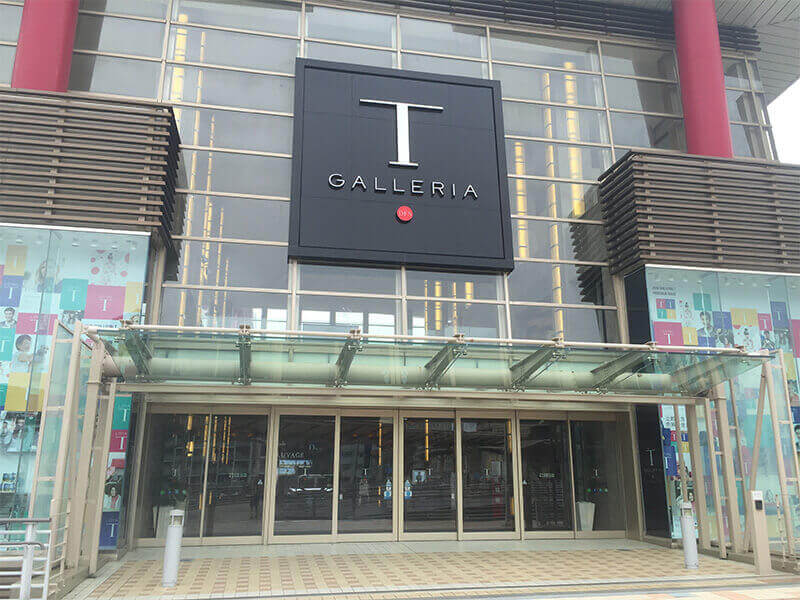 T Galleria Okinawa by DFS | Japan's only store where you can enjoy duty-free shopping even when traveling domestically!
 A must-see spot on Miyako Island! A complete guide to the Irabu Bridge, the longest bridge in Okinawa Prefecture!
 [PR] SAIOH Solo Exhibition "street on the scale" at Okinawa Prefectural Art Museum, July 19th - July 23rd. Free admission.
 Six of Okinawa's most famous bridges with stunning views ♪ Let's go for a drive!
 Your trip to Miyako is sure to be fun! A journey to find hearts in the Miyako Blue sea ♡