



Okinawa today boasts beautiful seas and abundant nature, but about 80 years ago, this land was the scene of a brutal ground battle. Even now, the scars of war are etched everywhere on the island, from the ruins of castles and caves (natural caves) that were the sites of fierce battles, to memorials praying for peace. This time, we will introduce peace education centers that you should visit to ensure that this tragic history is never repeated.
1. Okinawa Prefectural Peace Memorial Park and Okinawa Prefectural Peace Memorial Museum
2. Himeyuri Tower and Himeyuri Peace Memorial Museum
3. Tsushima Maru Memorial Museum
4. Haebaru Cultural Center
5. Former Imperial Japanese Navy Headquarters
6. Itokazu Abuchiragama
Show all table of contents
1. Okinawa Prefectural Peace Memorial Park and Okinawa Prefectural Peace Memorial Museum
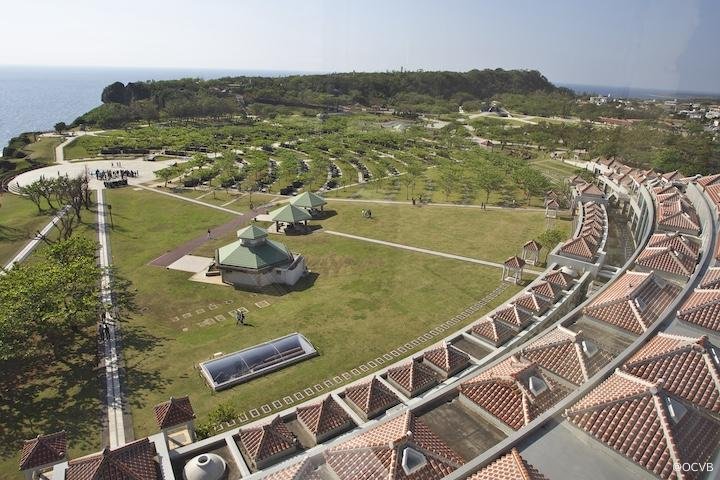 Located in Mabuni, Itoman City, at the southernmost tip of Okinawa Island, the Okinawa Prefectural Peace Memorial Park is the site of the fiercest battle of the Battle of Okinawa and a center for commemoration and peace awareness, standing at the site where the war ended. The vast 47-hectare site is divided into four zones and features various facilities dedicated to praying for lasting world peace.
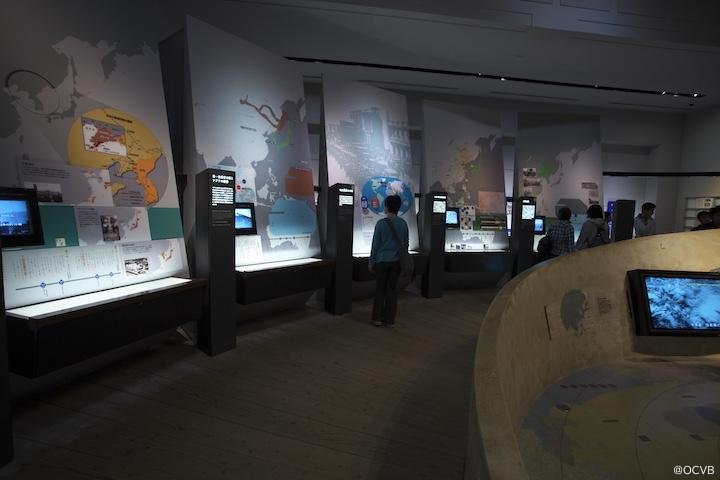 The "Peace Zone," where the park's main facilities are located, includes the Okinawa Prefectural Peace Memorial Museum, the Cornerstone of Peace, and the Okinawa Peace Memorial Hall. The museum displays photographs documenting the horrific conditions of the time, as well as valuable relics left behind by those who died in the war. Through these exhibits, visitors can directly learn about the horrors of war.
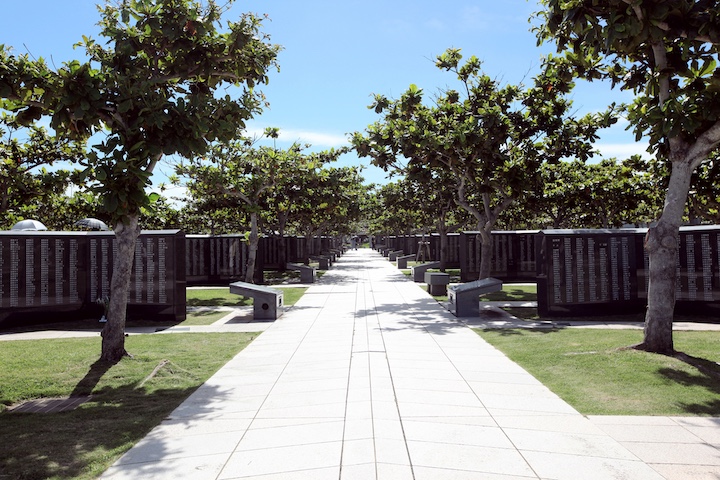
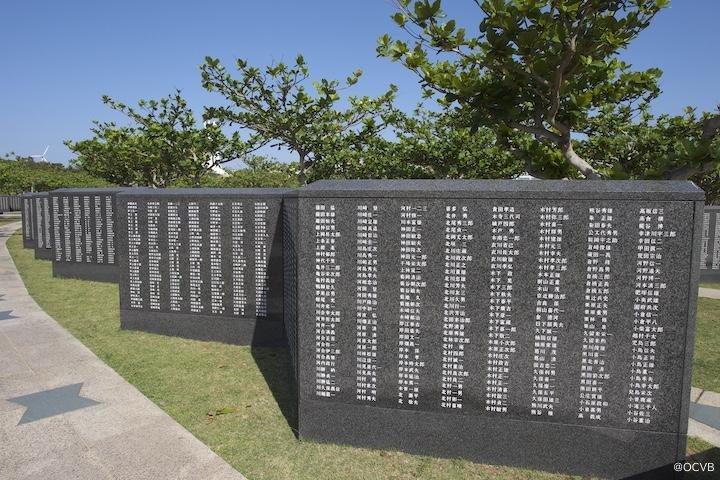 The Cornerstone of Peace bears the names of all 24+ war dead who perished in the Battle of Okinawa, regardless of nationality or whether they were military personnel or civilians. In the center burns the "Flame of Peace," a flame ignited from fires from atomic bomb sites, making it a place to send a message of peace from Okinawa to the world.
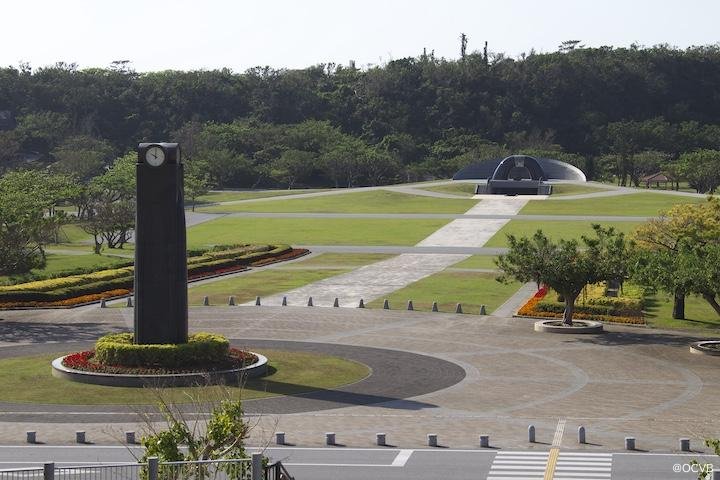 The "sacred zone" on the hillside is home to the National Okinawa War Dead Cemetery, which houses the remains of approximately 18 people, as well as 50 memorial towers erected by prefectures and organizations. It has become a sacred site visited by many memorial groups and school trip groups from both within Japan and overseas.
- Address
- 614-1 Mabuni, Itoman City, Okinawa Prefecture
- Business hours
- 9:00-17:00 (Last entry 16:30) Closed during the New Year holidays.
- Remarks
- Admission fee: Adults 300 yen, Children 150 yen
2. Himeyuri Tower and Himeyuri Peace Memorial Museum
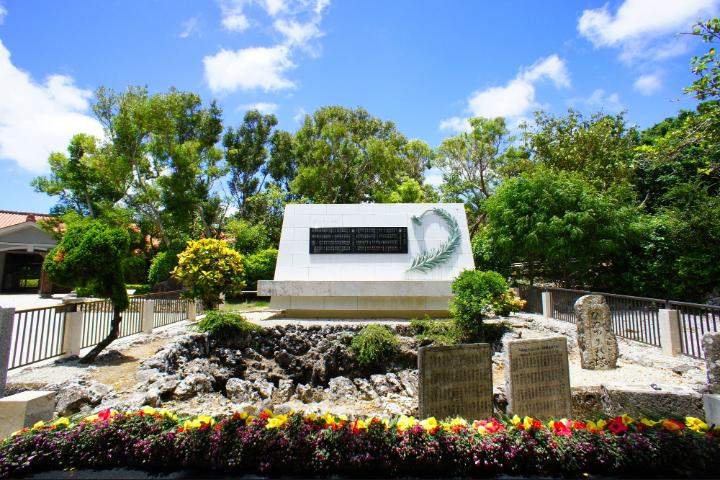 The Himeyuri Tower is a memorial monument commemorating the students and teachers who were mobilized as medical personnel during the Battle of Okinawa and lost their precious lives. It stands above the Ihara Third Surgical Bunker, where many lives were lost, and many people visit to offer their prayers.
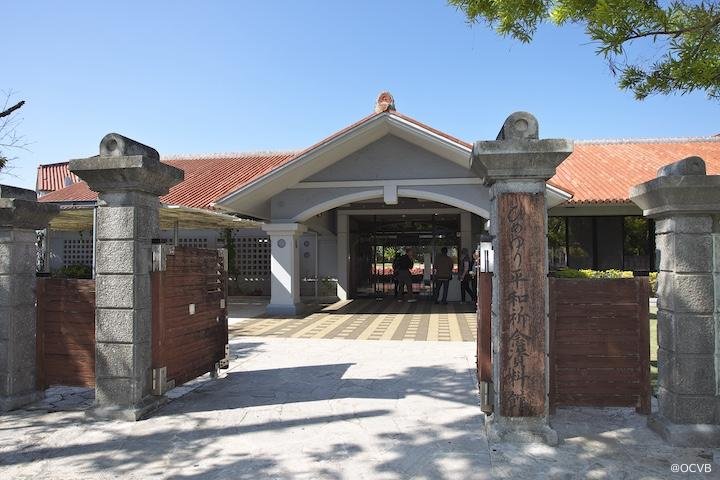 The adjacent Himeyuri Peace Memorial Museum conveys the horrific reality of the battlefield through video testimonies from survivors and a life-size model of a bunker. In 2021, the exhibits were renovated, and illustrations and videos were expanded to reach generations who did not experience the war. The exhibits, which trace the school life from the glorious pre-war period to the post-war period, are a valuable place of learning that prompts deep reflection on "what peace is."
- Address
- 671-1 Ihara, Itoman City, Okinawa Prefecture
- Business hours
- 9:00-17:25 (Last entry 17:00)
- Remarks
- Admission fee: Adults 450 yen, High school students 250 yen, Elementary and junior high school students 150 yen
3. Tsushima Maru Memorial Museum
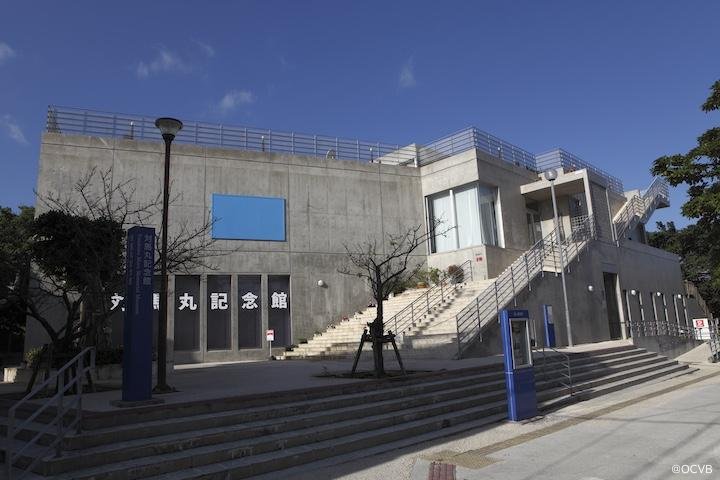 The Tsushima Maru Memorial Museum in Naha City is a facility that commemorates the tragedy of the Tsushima Maru, a ship carrying schoolchildren evacuated to Japan, which was sunk by a US submarine on August 22, 1944. In this incident, 1,484 precious lives, including 780 schoolchildren, were lost in an instant.
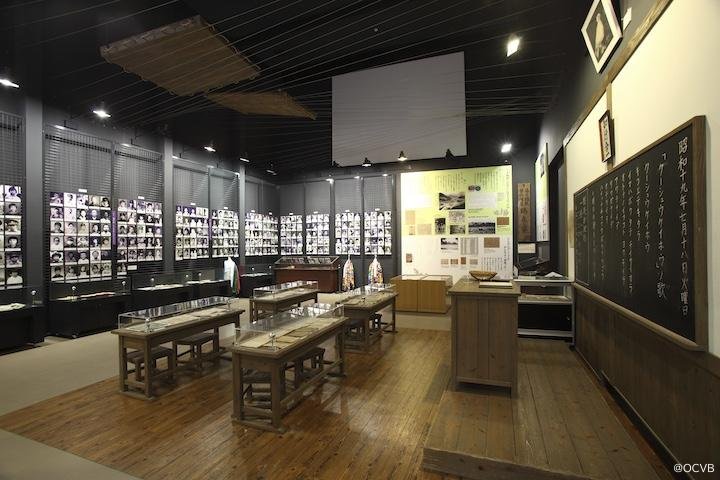 The museum is designed for visitors to start from the second floor, where they can learn about the ship's route at the time and the events leading up to its sinking through videos and documents. Valuable items that give a glimpse into life at the time are also on display, such as the school bags of "Micchan and Ecchan," who escaped the disaster because they were on a different ship. The first floor displays images of the evacuation and portraits and personal belongings of the victims.
- Address
- 1-25-37 Wakasa, Naha City, Okinawa Prefecture
- Business hours
- 9:00-17:00 (Last entry 16:30) Closed on Thursdays and during the New Year holidays.
- Remarks
- Admission fee: Adults 500 yen, High school students 300 yen, Elementary and junior high school students 100 yen
4. Haebaru Cultural Center
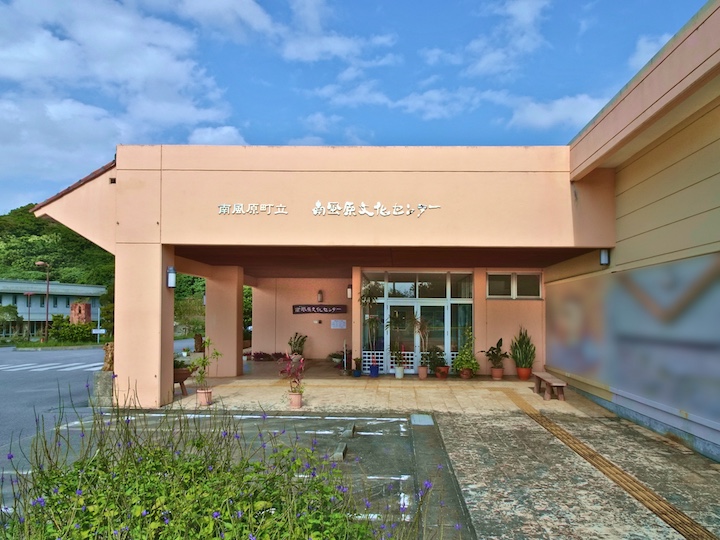 The Haebaru Cultural Center is a museum dedicated to preserving the history and culture of Haebaru. Inside, a replica of the Okinawa Army Hospital bunker is recreated, realistically conveying the harsh conditions of the time through operating tables, simulated hospital beds, actual shell fragments, and testimonial videos. The center also introduces the post-war reconstruction that began in the internment camps, the lives of the people, and the history of immigration. With a replica of a thatched-roof house and a display of traditional tug-of-war, visitors can feel the powerful progress of Okinawa.
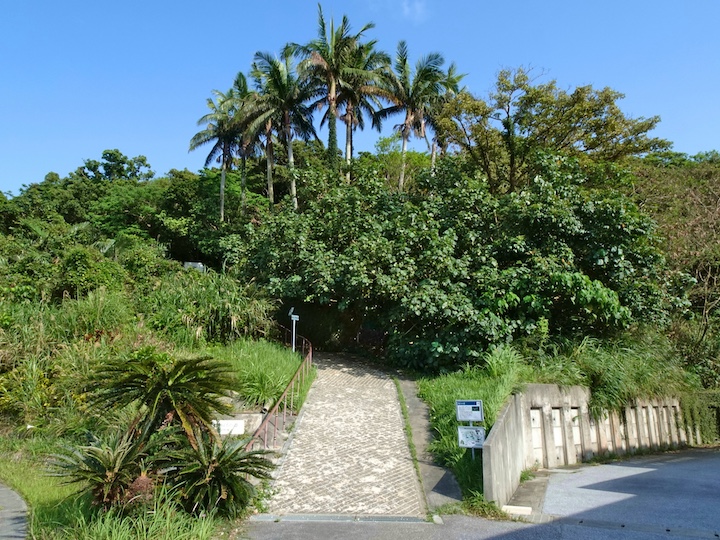 Additionally, a 10-minute walk from the center is the "Okinawa Army Hospital Haebaru Bunker Group No. 20," which was actually used as a military facility. It is possible to tour the interior with a guide by prior reservation. The number of people allowed to visit at one time is limited to 8, and the tour lasts approximately 30 minutes per group.
- Address
- 257 Kiyan, Haebaru-cho, Shimajiri-gun, Okinawa Prefecture
- Business hours
- 9:00-18:00 (Last entry 17:30) Closed on Wednesdays and during the New Year holidays.
- Remarks
- Admission fees (for non-residents): General 300 yen, Junior and Senior High School Students 200 yen, Elementary School Students 150 yen
5. Former Imperial Japanese Navy Headquarters
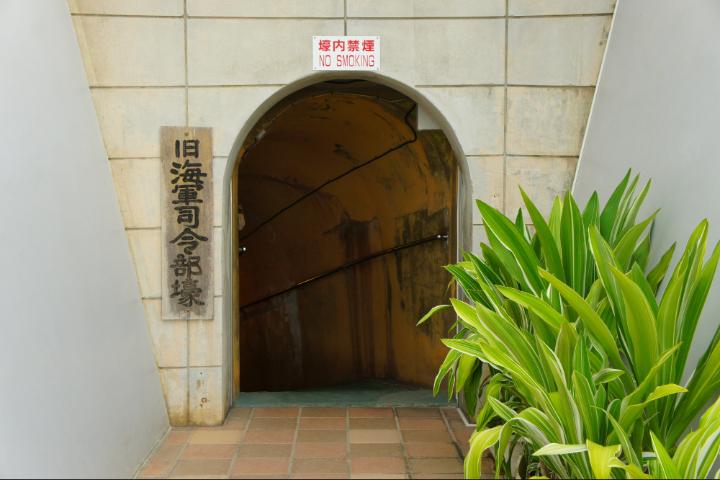 The "Former Imperial Japanese Navy Headquarters Bunker," a massive underground fortress approximately 450 meters long, was dug by the Imperial Japanese Navy in 1944. Currently, 300 meters of it are open to the public, and as you descend the 105 steps, you can still feel the tense atmosphere of that time.
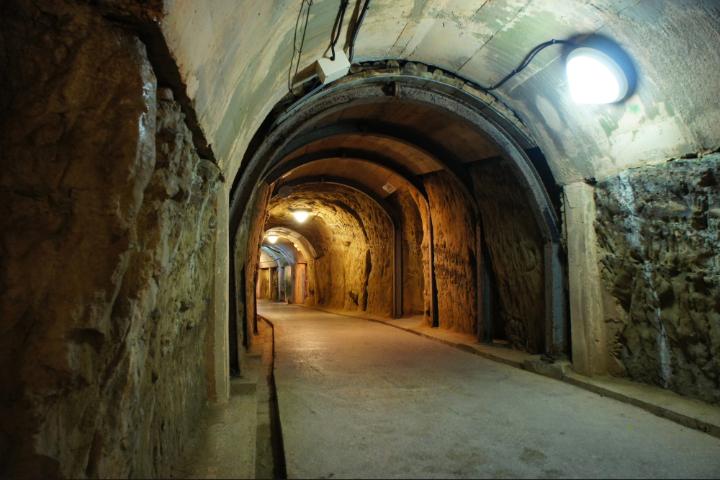 The main attractions are the "non-commissioned officers' quarters," where soldiers supposedly slept standing up, and the staff room, where the scars of suicides remain on the walls. At the museum, you can see valuable artifacts such as letters to families, as well as the arduous construction process which was carried out using only pickaxes.
- Address
- 236 Tomigusuku, Tomigusuku City, Okinawa Prefecture
- Business hours
- 9:00-17:00 (Last entry 16:30)
- Remarks
- Admission fee: 600 yen for adults, 300 yen for elementary and junior high school students.
6. Itokazu Abuchiragama
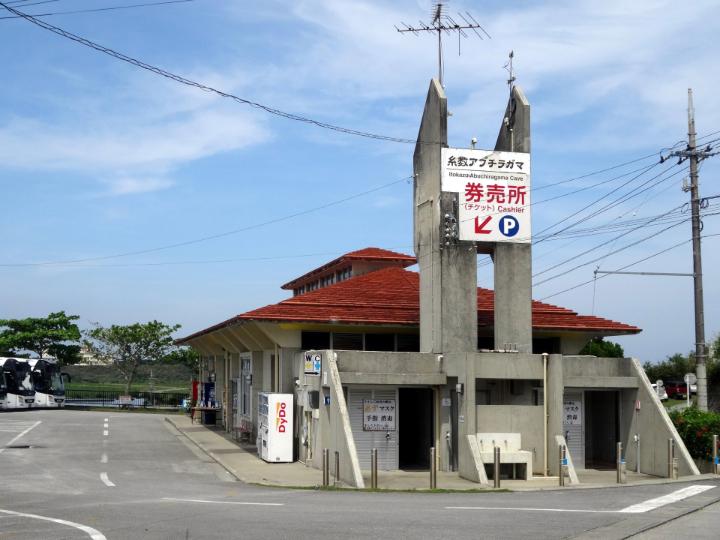 The Itokazu Abuchiragama cave in Nanjo City, also known as the Itokazu Cave, is a valuable natural cave where visitors can relive the realities of wartime. Initially a shelter for residents, it later became a Japanese military position and a branch of an army hospital, where the Himeyuri Student Corps also engaged in nursing activities. Currently, it is open to the public as a place for peace education, and reservations and the accompaniment of a dedicated guide are required to enter the cave.
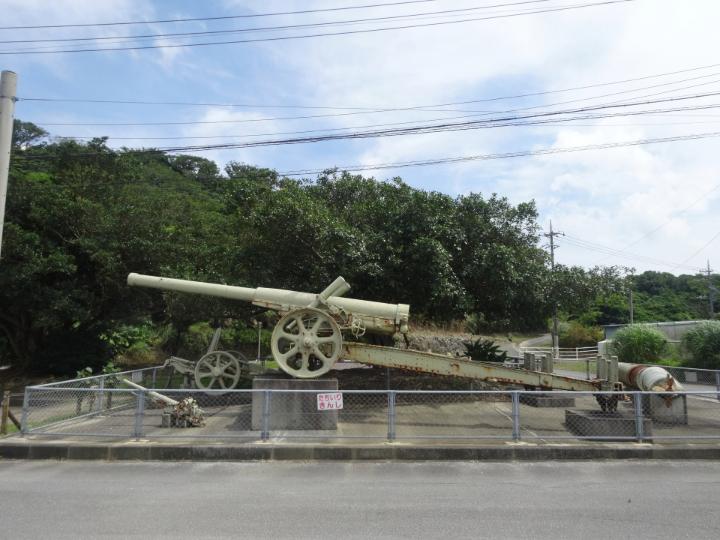 Along the way to Abuchiragama, you'll find displays of the former Imperial Japanese Army's Type 89 15cm cannon and Type 93 torpedoes, conveying the tense atmosphere of that time.
- Address
- 667-1 Itokazu, Tamagusuku, Nanjo City, Okinawa Prefecture
- Business hours
- 9:00-17:00 (Reservations required for entry)
- Remarks
- Admission fee: 300 yen for high school students and older, 150 yen for elementary and junior high school students.
Articles from the same area
 Funny stories about life in Okinawa from a wife who has moved there | Part 4: Okinawa's four seasons
 Create unforgettable memories on your trip! 7 must-stay hotels in Ishigaki Island and Okinawa Main Island
 Experience a water buffalo cart ride in Okinawa! 5 recommended spots where you can ride a water buffalo cart.
 Useful Okinawan dialect phrases starting today! | This is how we say it in Okinawa
 7 Stylish Okinawan Souvenirs That Will Make You Want to Ask Where to Buy Them
 My Travelogue of My Mishaps on a Trip to Okinawa with My Kid - Travel Edition -
Articles on the same topic
 What is Okinawa's traditional "Eisa" dance? | History, highlights, and events
 What is peace? A journey to the Peace Memorial Park to feel and contemplate the meaning of peace.
 Shuri Textile Museum Suikara | A world of stories about beautiful Okinawan traditional fabrics woven with rich colors
 We delve into the mysteries of the legendary Okinawan spirit, "Kijimuna"!
 This article focuses on the natural beauty of the Ryukyu Islands, which was the driving force behind its World Heritage designation in 2021!
 The cultured pearls born on Ishigaki Island were actually amazing! The story of the world's first cultured pearls.