



What kind of impression do you have when you hear the name "Peace Memorial Park" in Okinawa?
"A place to learn about the Battle of Okinawa"
"A park to commemorate those who died in war and to pray for peace."
"Places you should visit at least once if you come to Okinawa"
"A rather heavy image, the complete opposite of tourism."
Whether you've been there or not, I think everyone has a different impression of it. But for many Okinawa lovers, it's probably a place that "just seems to pique their interest," isn't it?
This time, I'd like to introduce you to the "Peace Memorial Park."
The moment your curiosity turns into understanding, your image of the Peace Memorial Park will surely change.
Embark on a journey to experience and reflect on things firsthand, something you can't learn from guidebooks alone.
<Table of Contents>
1. What kind of place is the Peace Memorial Park?
2. What is in the Peace Memorial Park?
3. Various events at the Peace Memorial Park that you might not know about
4. Access and detailed information about the Peace Memorial Park
5. Praying for peace that will remain unchanged throughout the ages.
1. What kind of place is the Peace Memorial Park?

Okinawa has a bright and cheerful image.
However, not so long ago, this land was the scene of a fierce ground battle that involved the local population.
Okinawa was considered the central hub of military strategy during the Pacific War, where the intentions of various nations intertwined.
As a result, so many people died in the Battle of Okinawa that we still cannot fully grasp its extent.
Mabuni, in the southern part of the main island where the "Peace Memorial Park" is located, is the last place where people who were driven to their deaths by the ravages of war ended up.
Many people are aware that with no escape route and no option to surrender, a great many lives were lost here.
Peace Memorial Park was established to pass on the history of the war, commemorate those who died in the war, and pray for peace.

Now, after hearing all this, some people might be thinking, "Isn't it inappropriate to go there casually as a tourist...?"
In fact, many people visit the park as a place for memorial services and peace education.
However, just as many people visit as a place to relax and enjoy strolls, picnics, and events.
It might seem a little surprising, but in a conversation with Mr. Uehara of the Okinawa Prefectural Peace Memorial Foundation, which manages the park, he said the following:
"Of course, we want to preserve this place as a 'place of remembrance' where people can pay their respects with peace of mind. But I don't think that's enough. I want to make it a park that many people visit and that is filled with the cheerful voices of children. I believe that showing people a 'lively Okinawa, a lively Japan' is the 'image of peace' that many people who died in the war wished for."

Just as Uehara-san said, the park is bustling with families, couples, and foreigners.
People enjoy strolling around and taking in the scenery at their own pace, and then quietly put their hands together in prayer before the memorial.
His appearance is by no means somber or heavy.
It is a beautiful and peaceful place, which is why it feels familiar, and because of that familiarity, one naturally puts their hands together in prayer, reflecting on the depth of the wounds etched into it. This is such a place.
2. What is in the Peace Memorial Park?

Surrounded by the blue sea and abundant nature, the Peace Memorial Park is truly vast.
Its area is 40 hectares, which is roughly the size of eight Shuri Castle Parks or 8.5 Tokyo Domes.
The park is divided into four main areas.
- The "Pathway and Plaza Zone" has an observation deck and a grassy area.
- The "Peace Zone" where the Okinawa Prefectural Peace Memorial Museum and the Okinawa Peace Memorial Hall are located.
- The "Peace Ceremony Zone" where the Cornerstone of Peace and the ceremony plaza are located.
- The "Sacred Zone" contains the National Okinawa War Dead Cemetery and memorial monuments and towers from each prefecture.
If you want to take your time and explore, including the museum, a stay of two hours or more is recommended.
While simply wandering around wherever your feet take you is also a great option, this time we'll introduce some key points to keep in mind when exploring.
■ Okinawa Prefectural Peace Memorial Museum / Cornerstone of Peace

Two must-see attractions at the Peace Memorial Park are the Okinawa Prefectural Peace Memorial Museum and the Cornerstone of Peace. These are places where you can not only "learn" about the Battle of Okinawa, but also "feel" its horrific nature firsthand.
Much of what we learned from textbooks and other sources is an objective and descriptive "history of war."
In contrast, the history of the Battle of Okinawa is told here as "facts that happened to the people who were alive."
I believe it's very important for us to consider these two perspectives when thinking about peace.
When you read the testimonies of war survivors and see the names of each and every fallen soldier inscribed on the foundation, you will surely be overwhelmed with emotions.
■ Visiting memorial monuments and towers on Mabuni Hill, a "sacred zone"

Mabuni Hill is a place where you truly realize that the Battle of Okinawa was not something that only happened in Okinawa.
Along the approach to the shrine, memorial monuments representing 32 prefectures have been erected, and many people from all over the country visit to pay their respects.
(*Hokkaido, Tokyo, and 14 other prefectures have their facilities built in other areas within Okinawa Prefecture.)
Also, some people may remember that Their Majesties the Emperor and Empress laid flowers at the National Okinawa War Memorial Cemetery during their visit.
There are 50 memorial monuments on Mabuni Hill, and it is said that visitors continue to come and pay their respects there even today.
The Battle of Okinawa may not have been a distant event from long ago, but something that happened close to home.
It's a place where you think, "What if...?" and feel it not as someone else's problem, but as your own.
■The park bus is convenient for exploring the park.

To reiterate, the Peace Memorial Park is very large. If you want to explore every corner of the park, the park bus is convenient.
The bus connecting the "Park Information Center" on the parking lot side to "Mabuni Hill" costs 100 yen per person for unlimited rides for the day. There are seven bus stops within the park, and you can get on and off at any point along the way.
Especially if you're going to "Mabuni Hill," the path is hilly and uneven, so it's not recommended if you have small children or elderly people with you.
■Things to be careful of when taking a walk

There are few places with shade in the park, so if you plan to walk around, be sure to take precautions against the sun and heatstroke. It's a good idea to check the location of shops and other facilities on a map before you start walking around.
Remember that parks are not only places of relaxation but also places of remembrance.
If there are other worshippers present, please refrain from speaking loudly or laughing. Good manners are important so that everyone can have a pleasant experience.
Additionally, there are areas where children are allowed to play and areas where they are not, as well as areas with uneven terrain. If you have young children, please ensure that a guardian keeps a close eye on them.
3. Various events at the Peace Memorial Park that you might not know about

Peace Memorial Park hosts a variety of events throughout the year. Here are a few of the events that anyone can easily and freely participate in.
(※For details such as the schedule, please check the Okinawa Peace Memorial Foundation website below.)
[Main events]
■New Year's Day / First Sunrise of the New Year at Peace Memorial Park
Actually, Peace Memorial Park is a hidden gem for watching the first sunrise of the year. Many people from within the prefecture visit every year.
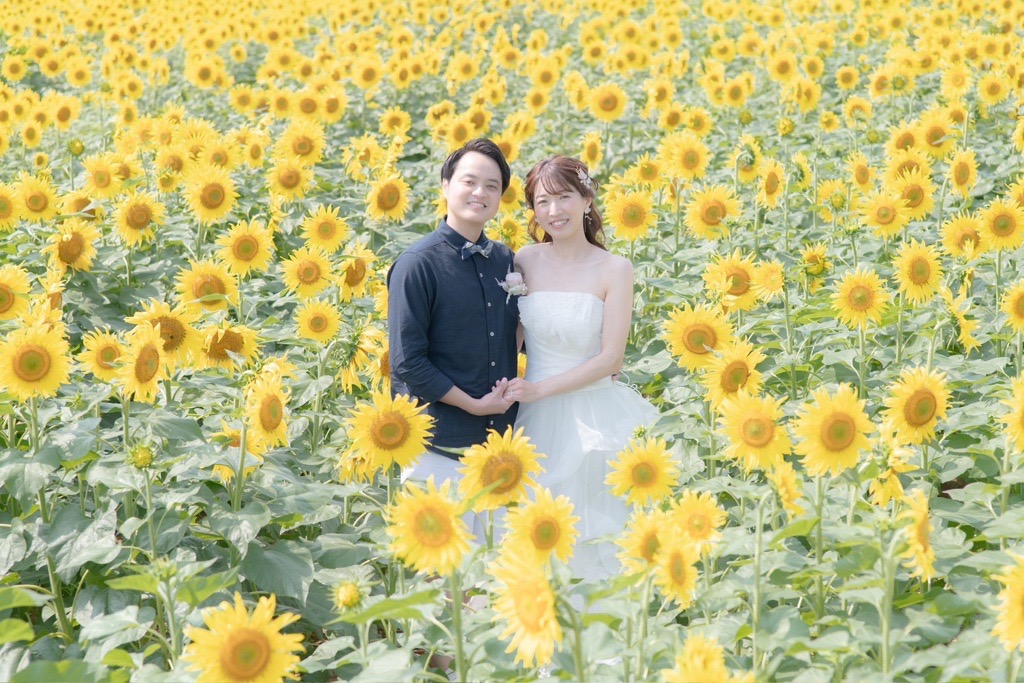
■Mid-March to early May / Sunflower field maze
A maze made up of giant sunflowers, so tall that even adults have to look up to see them, will be featured. Apparently, the sunflowers are carefully grown from seed.
■Late April to early May / Peace Memorial Carp Streamer Festival
Under the blue skies of Okinawa, you can enjoy the magnificent sight of numerous carp streamers, donated by each prefecture, swimming in the wind.
■Late June / Pillar of Light for Peace
As night falls, pillars of light illuminate the park. Five beams of light reaching 4,000 meters into the sky create a mystical atmosphere unlike that of daytime. The rare Okinawan tradition of floating lanterns will also take place.
■Early July / Tanabata Festival for Peace
We write our thoughts of remembrance and peace on strips of paper for Tanabata decorations, and then we all decorate the bamboo branches together.
■Mid-August / Traditional Obon Eisa Dance Performance
It takes place on the last day of the Obon festival. "Ukui" means "sending off," and it is the day when we see off the ancestors who were welcomed.
Just as Bon Odori dances are performed to the sound of Japanese drums throughout Japan during the Obon season, in Okinawa, Eisa dances are performed to the accompaniment of songs and music.
■Early October (9th day of the 9th month in the lunar calendar) / Choyo Festival Peace Kite Flying Festival
September 9th is the Choyo Festival. On this day to pray for prosperity and longevity, kites are flown into the sky as a token of gratitude and prayer for peace.
We reflect on the lives lost, express gratitude for the peace we have now, and pray that this peace will last forever.
This event, filled with people's thoughts and wishes, is not only enjoyable for children and adults alike, but it also gives us an opportunity to think about "What is peace?"
If you've never had the chance to go, this event is a great opportunity to check it out.
4. Access and detailed information about the Peace Memorial Park

[Access by car]
From Naha Airport, via National Route 331, the journey takes approximately 35 minutes.
*If you take the bus, you will need to transfer, so we recommend using a rental car or taxi.
[Okinawa Prefectural Peace Memorial Museum]
■ TEL: 098-997-3844
■Opening hours: 09:00 - 17:00
*Last entry to the F2 permanent exhibition is 16:30.
■Admission fee: 300 yen
■Closed days: December 29th - January 3rd
[Peace Memorial Park]
■Address: 444 Mabuni, Itoman City, Okinawa Prefecture
■ TEL: 098-997-2765
■ Admission fee: Free (※Some facilities require a fee)
■Event details: Website:https://heiwa-irei-okinawa.jp/
(*Designated administrator: Okinawa Prefectural Peace Memorial Foundation website)
[Others]
The Peace Memorial Park Information Center offers free rental of strollers and wheelchairs.
You can also get maps and other items here.
5. Praying for peace that will remain unchanged throughout the ages.

"If possible, when you arrive at Naha Airport, please come to the Peace Memorial Park and pay your respects. After that, I hope you'll enjoy sightseeing to the fullest. Okinawa has so many beautiful beaches and delicious food."
I recall the words of Ms. Uehara of the Okinawa Peace Memorial Foundation, who spoke to me with a smile at the end of the interview.
---What is peace?
There must be many, many answers to that question.
But I believe that the more time we spend thinking about and reflecting on peace, the more likely we are to have a world that can be called peaceful.
"Seeing is believing," and even better, "Seeing is believing in addition to hearing."
Peace Memorial Park is a place where you can learn, see, and feel.
What do you feel when you're in this place?
Author: mochiking
Please make your hotel reservation here.
 Rakuten Travel
 Jalan net


Shirokuma Tours offers affordable Okinawa package tours. A wide variety of options are available, including tours to Ishigaki and Miyako Islands.


For local experiences and optional tours such as snorkeling and sightseeing bus tours, choose Tabi Plus One.


For diving in Okinawa, from license acquisition and fun dives to introductory experiences, choose Oceans Dive Tour.
Articles from the same area
 Yamano Chaya Rakusui | A hidden cafe nestled amidst the greenery, offering stunning views of the Okinawan sea.
 I want to say "Dai-chan" at Parlor Megaton.
 Delicious meaty patties! Recommended gourmet burger in Okinawa: Ralph's Burger Restaurant
 Feeling tipsy at a long-established awamori brewery | I went on a factory tour of Masahiro Shuzo in Itoman.
 Okinawa's sea and sunset are beautiful! A report on Ryujin-no-Yu hot spring on Senaga Island.
 A recommended trip to Kudaka Island, the "Island of the Gods," by rental bicycle!
Articles on the same topic
 Praying for peace at "Peace Square," a peaceful photo spot in Okinawa.
 Miyako Island's hidden gem: Kawamitsu Park - a peaceful time spent gazing at the sea and mangroves.
 What exactly is a "Ishiganto"? We thoroughly investigated this fascinating question!
 Traveling through Okinawa in photos ♡ How to take a photo that will get you "likes" on Shuri's cobblestone streets
 I took a leisurely bike ride to Warumi in Bise, a power spot!
 The day Kurima Island was dyed in sunflower colors | A whole island flower project is underway on a remote island of Miyako Island