


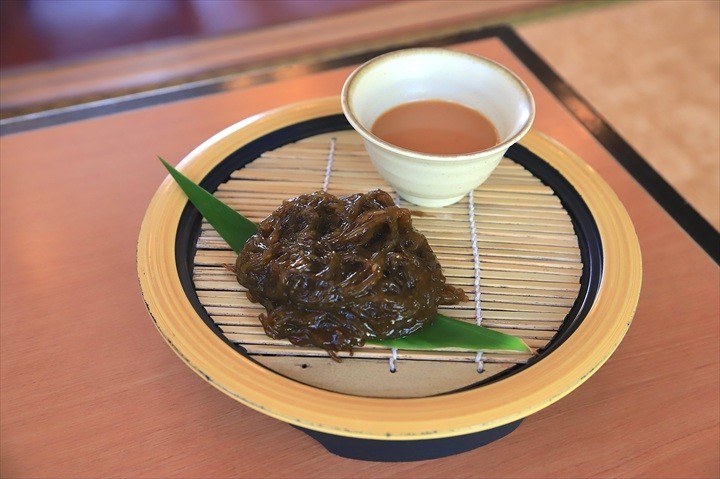
Mozuku, a type of seaweed rich in minerals and low in calories, is an ingredient that offers many benefits for beauty and health. It contains plenty of beneficial components for the body, such as dietary fiber that improves the intestinal environment and fucoidan that moisturizes the skin and hair.
Furthermore, Okinawa, a major producer of mozuku seaweed, boasts a wide variety of dishes using it, including tempura, champuru (Okinawan stir-fry), and mozuku somen noodles, offering diverse ways to enjoy it. This article summarizes the appeal of mozuku, its expected health benefits, and unique Okinawan ways of eating it.
1.What is mozuku? Its peak season is from spring to early summer.
2.Expected health and beauty benefits of mozuku seaweed
3.Mozuku (seaweed) recipes
Show all table of contents
What is mozuku? Its peak season is from spring to early summer.
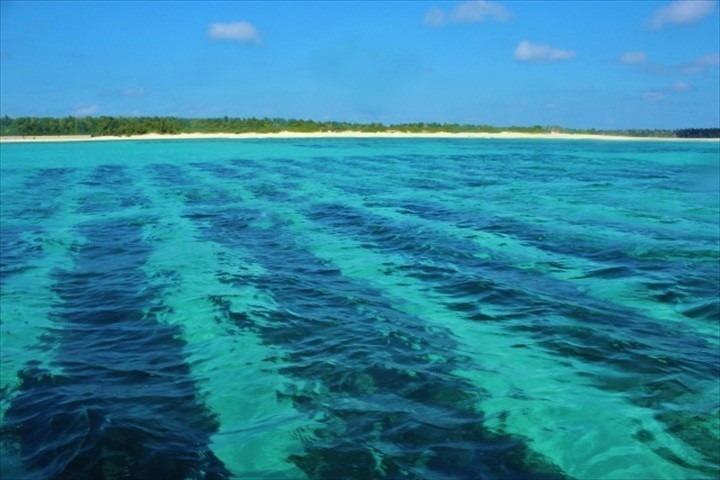
Mozuku is a type of seaweed belonging to the family Chondrophyceae of brown algae, and is widely distributed in warm waters, including along the Japanese coast. Cultivation is particularly popular in Okinawa and Kagoshima prefectures, and the majority of mozuku distributed in Japan comes from Okinawa.
The peak season for mozuku seaweed is from spring to early summer, with the best harvest period generally being from April to June.It is said that in Okinawa Prefecture in particular, harvesting begins around March, and the highest quality mozuku seaweed becomes available around May.

There are two types of mozuku seaweed: wild and farmed. Wild mozuku grows by clinging to rocks and other seaweed, while farmed mozuku is cultivated using nets.
The main types of mozuku seaweed distributed in Japan are "Okinawa mozuku" and "Ito mozuku." Okinawa mozuku is thick and has a firm texture, while Ito mozuku is thin and has a delicate mouthfeel. Since each has a different flavor and texture, it is recommended to use them differently depending on the dish.
Expected health and beauty benefits of mozuku seaweed
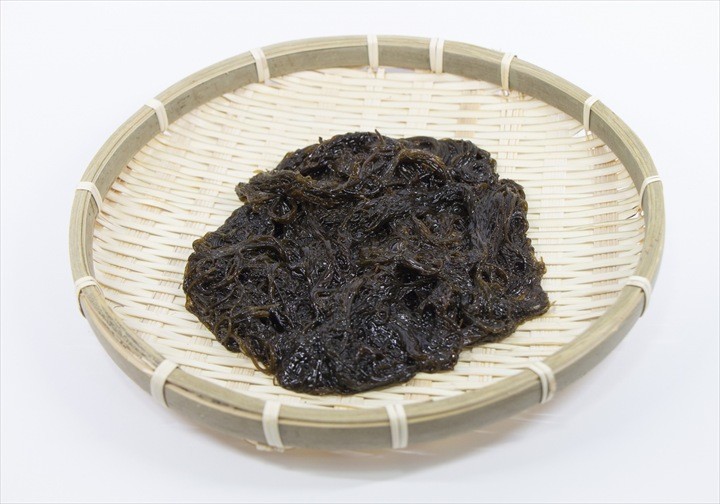
Mozuku seaweed is rich in ingredients that are beneficial for health and beauty.
First, it contains a large amount of alginic acid, a type of dietary fiber, which helps to improve constipation and regulate the intestinal environment by making it easier to eliminate waste products from the intestines .
Furthermore, fucoidan, the slimy component of mozuku seaweed, is a water-soluble dietary fiber that is expected to have a moisturizing effect, thus contributing to maintaining moisture in the skin and hair.
Furthermore, mozuku seaweed is rich in minerals such as calcium and magnesium, which are essential for maintaining bone health . Calcium, in particular, is necessary for building strong bones and teeth, and magnesium helps in its absorption.
Mozuku seaweed contains a balanced mix of nutrients that are good for the body, making it a type of seaweed that can help maintain a healthy body and offer beneficial effects for beauty as well.
Mozuku (seaweed) recipes
Mozuku tempura
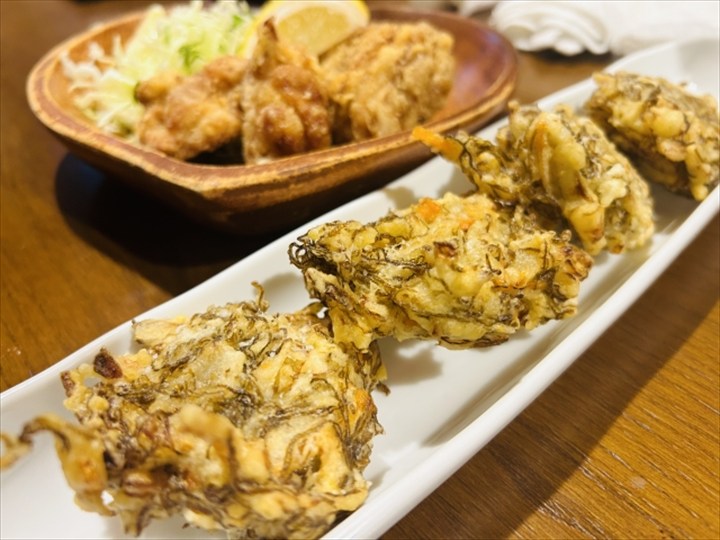
[Instructions] Wash the mozuku seaweed, drain it in a colander, cut it into bite-sized pieces, coat it in a batter made of flour, egg, and water, and deep-fry it. Serve with salt or tempura dipping sauce.
When making chewy Okinawan-style tempura, a batter made with flour, egg, room temperature hard water, and seasoned with salt and powdered dashi is used, and it is sometimes served with a sauce.
Mozuku Somen
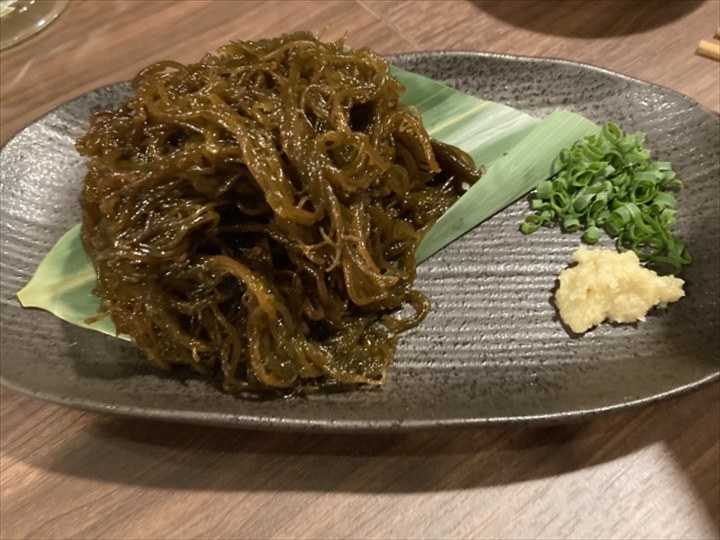 [Instructions] Rinse the mozuku seaweed under running water and soak it in water for about 30 minutes. Drain the water and serve with noodle soup.
It's also delicious with condiments like ginger, or eaten with canned tuna.
Another popular way to enjoy mozuku is in the form of mozuku champuru. Champuru means "stir-fry," and it's made by stir-frying mozuku with tofu, eggs, pork, and vegetables, then seasoning it with granulated dashi, soy sauce, salt, and pepper. It adds a nice textural contrast and is a popular side dish that goes well with rice.
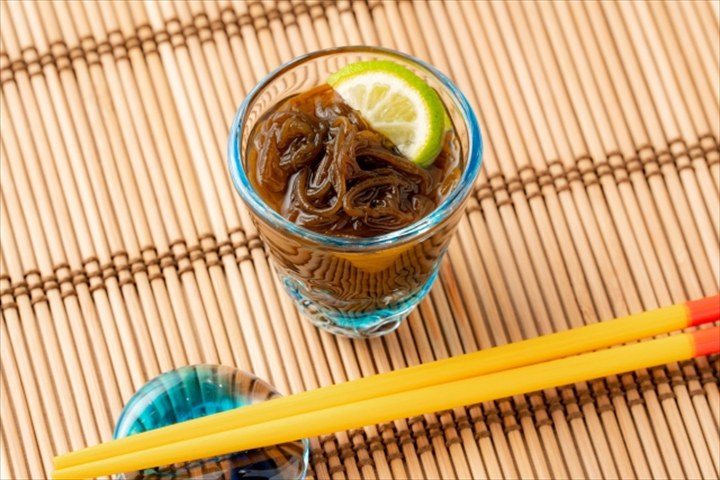
Simple yet highly nutritious mozuku seaweed dishes are popular not only as home cooking but also among tourists visiting Okinawan izakayas (pubs).
Mozuku seaweed is available year-round because it is preserved in salt or frozen after harvesting, but the mozuku harvested in May is especially delicious, with its fresh texture and rich flavor. If you're visiting Okinawa from spring to early summer, be sure to check out the mozuku.

Yuhei Tonosho, a cyclist and photographer who delves deep into Japan
Born in 1993 in Toyota City, Aichi Prefecture. Graduated from Doshisha University, Faculty of Letters, Department of Cultural History and Department of English Literature. While working as a salaryman, he is a travel writer who travels all over Japan by bicycle and mountain climbing. He captures and shares the changing seasons of Japan with all his senses.
Articles from the same area
 A true classic! We tried 24 different kinds of Chinsuko, a popular Okinawan souvenir!
 Want to run on a southern island? A digest of popular marathon races in Okinawa!
 Answering your questions about traveling to Okinawa during Silver Week! [2023 Edition]
 Let's go to Okinawa for our graduation trip! Here are some recommended spots that everyone can enjoy.
 Six of Okinawa's most famous bridges with stunning views ♪ Let's go for a drive!
 Common occurrences at Okinawan weddings: 10 hilarious and surprising "everyday" stories
Articles on the same topic
 Adult snack time at Downtown Donuts
 Marumitsu-kun is an Okinawan zenzai (sweet red bean soup) that is heavyweight in taste, quantity, and cuteness.
 Ikema Island Complete Tourist Guide: A Hidden Paradise to Visit Just a Little Further from Miyako Island
 Enjoy light and refreshing Okinawan soba noodles with bonito broth at "Soba-dokoro Takaraya," just an 11-minute drive from the airport!
 Read this and you'll never get lost! A thorough guide to dining options within Ocean Expo Park.
 I want to do it again! Okinawa soba noodle making experience @ Murasaki Mura