



 In Okinawa, when people refer to soba noodles, they generally mean Okinawan soba, which is made with wheat flour.
However, in Ogimi Village in northern Okinawa Prefecture, buckwheat has been produced for several years as a potential specialty product following shikwasa, with all processes, from planting to milling, carried out within the village.
This time, I visited "Esu no Hana," a restaurant in Ogimi Village that serves local specialty soba noodles and plenty of freshly fried tempura.
<Contents>
1. Why the soba noodles in Ogimi Village are so delicious
2. I was blown away by the portion size! I ordered the large serving of Zaru Soba.
3. Conclusion - Store Information -
1. Why the soba noodles in Ogimi Village are so delicious
Ogimi Village did not originally choose to cultivate buckwheat noodles.
To prevent abandoned farmland from becoming overgrown, farmers planted buckwheat, and to their surprise, the buckwheat grew well. When they milled the harvested buckwheat, they were able to produce surprisingly delicious Japanese soba noodles.
Before I knew it, I had established a buckwheat production cooperative to make buckwheat a local specialty of the village, and had begun cultivating it on a large scale.
The buckwheat from Ogimi Village is harvested earlier than usual, taking into account Okinawa's hot and humid climate, resulting in noodles that are characterized by their stickiness and firmness. The aroma isn't particularly strong, but it has a simple, rustic flavor and a satisfying chewiness.
2. I was blown away by the portion size! I ordered the large serving of Zaru Soba.
The author visited "Esu no Hana" around 2 PM on a weekday.
Even though it was past lunchtime, the restaurant, which has four tables for four people and two tatami rooms for six people, was almost full.
The menu at "Esu no Hana" consists of six items in total: Zaru Soba (large portion 1,500 yen, regular portion 1,000 yen), Udon Set (large portion 800 yen, regular portion 700 yen, small portion 500 yen), and Chef's Choice Set (1,500 yen), all of which come with tempura.
This time, I ordered a large serving of zaru soba (cold buckwheat noodles).
The soba noodles at "Esu no Hana" are made with freshly ground, freshly made, and freshly boiled buckwheat flour – a perfect combination!
Since they start making the tempura after receiving your order, it will take a little time for it to be served. In the meantime, you can enjoy freshly fried tempura while you wait.
First up, appetizers and deep-fried tofu.
Freshly fried tempura is served randomly.
The order and contents of the dish change daily, and it's served with either salt or a dipping sauce for agedashi tofu.
On this day, we started with mozuku seaweed and green beans, and then papaya, Okinawan shallots, carrots, burdock root, bean sprouts, potatoes, mustard greens, and more were brought out one after another.
Thankfully, these are all locally grown, pesticide-free vegetables. Therefore, the tempura served varies depending on the season.
In addition to seasonal Okinawan vegetables, you might also find ingredients that seem far removed from tempura, such as pineapple, island bananas, and roselle. But it's surprisingly addictive. In fact, I'm a big fan of roselle, which is sweet and sour like acerola. It also goes surprisingly well with salt.
In Okinawa, tempura is typically characterized by a thick, heavy batter, but since the owners are from mainland Japan, the tempura at "Esu no Hana" has a lighter, crispier batter. It's crunchy on the outside and fluffy on the inside!
Just be careful. Whether you order a regular or large portion, the amount of tempura is the same. So if you eat all the soba as soon as it arrives, you'll be full before the main course even comes out. Make sure you leave some room in your stomach for the soba! After waiting for about 15 minutes, the freshly boiled soba noodles were finally brought to our table.
The owner recommends adding the wasabi condiment to the dipping sauce while sprinkling the green onions and ginger on top of the noodles. This way, you can fully enjoy the aroma of the condiments as you eat.
The ginger lily tea on each table also plays a subtle but important role in enhancing the experience. The ginger lily tea, made by boiling the leaves of ginger lilies that grow wild outside the shop, has a refreshing taste that washes away the oiliness of tempura!
Refills are free, so please try this as well.
3. Conclusion - Store Information -
 [The proprietress dances with joy upon hearing the customer say, "It's delicious!"]
The soba noodles at "Esu no Hana" are very simple and unpretentious.
The charm of "Esu no Hana" lies in the fact that you can enjoy soba noodles as part of an experience akin to an attraction, including appetizers and tempura.
As you can see, a considerable amount of tempura is served, so it's essential to go on an empty stomach, and I recommend planning not to eat anything for the rest of the day and until the next morning.
Why not visit with your family or group to enjoy Okinawan-style soba noodles and tempura made with local vegetables, a rare find in Okinawa?
|
【store information】 Esu no Hana (Flowers of Esu Province) Address: Esu no Hana, 326-224 Oho, Ogimi Village, Kunigami District, Okinawa Prefecture 905-1315 Telephone number: 0980-43-3040 Opening hours: 11:00 AM - 18:00 PM (Please contact us after 15:00 PM) Regular holiday: Wednesday Parking lot: 30 or more cars available |
Please make your hotel reservation here.
 Rakuten Travel
 Jalan net


Shirokuma Tours offers affordable Okinawa package tours. A wide variety of options are available, including tours to Ishigaki and Miyako Islands.


For local experiences and optional tours such as snorkeling and sightseeing bus tours, choose Tabi Plus One.


For diving in Okinawa, from license acquisition and fun dives to introductory experiences, choose Oceans Dive Tour.
Articles from the same area
 An experience where both families can bond through sports: Beach Yoga
 Introducing the Yanbaru Rail, a precious endemic species that inhabits the Yanbaru forest.
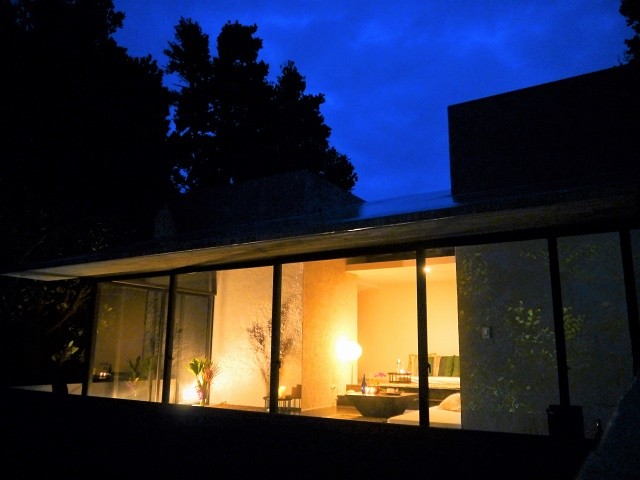 A blissful adult experience in "Birth the Suite," available to only one group per day.
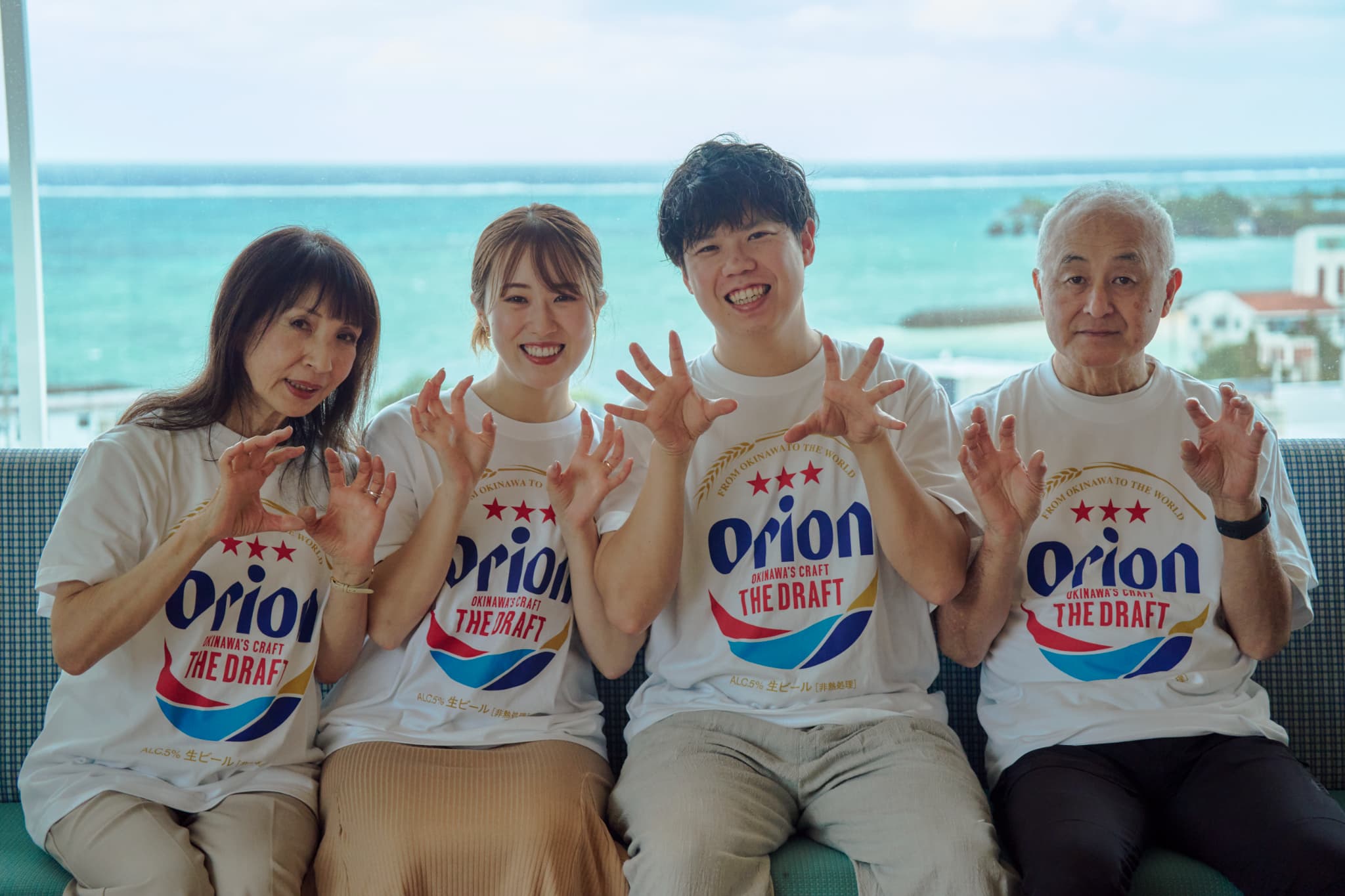 [be family] Monitor Report! Here's what happened on the day!
 Right by the sea! Yuiya, a hidden gem of a guesthouse in Okinawa. I participated in their popular side dish exchange event.
 A luxurious fruit juice from "Ryuka," a seaside cafe with a spectacular view located amidst the Bise Fukugi tree-lined street.
Articles on the same topic
 Nago Agri Park is a treasure chest of Nago! It's overflowing with locally sourced vegetables and specialty products.
 Kinjo Parlor | A rest stop at Cape Zanpa, easily identifiable by its route bus and parasols, is an open-air parlor.
 Naha Air Base of the Japan Air Self-Defense Force was in a festive mood | I went to the Chura Island Air Festa.
 Naha Soba Restaurant Takaramachiga | A renovated old house serving light and refreshing Okinawan soba that you'll want to drink every last drop of the soup.
 It has a cafe-like atmosphere! "EIBUN" - an Okinawan soba like you've never seen before.
 Relaxing at PAINAGAMA BLUEBOOTH, a photogenic cafe in Miyako Island ♡