



"Yachimun" is the Okinawan dialect word for pottery, and Tsuboya Yachimun Street is lined with yachimun workshops and galleries.
Located close to Kokusai Street, this is a popular spot for young women as you can find Yachimun pottery that is perfect for everyday use and makes a great souvenir. Take a leisurely stroll along the street that retains its old-world charm and find your favorite Yachimun piece.
<Contents>
1. Basic Knowledge of Tsuboya Yachimun Street
Part 1. What kind of place is Tsuboya Yachimun Street?
Part 2. What kind of pottery is Tsuboya ware?
2. Discover popular Yachimun pottery! Recommended shops
Part 1. Tsuboya Pottery Kiln, Ikutouen
Part 2. Craft House Sprout
Part 3. Shimabukuro Pottery Factory
Part 4. Folk Craft Nakasone
3. Take a break and stop by a cafe.
Part 1: Yachimun Café Chataro
Part 2: Tea House Suji
^^^^^^^^^^^^^^^^^^^^^
1. Basic Knowledge of Tsuboya Yachimun Street
Part 1. What kind of place is Tsuboya Yachimun Street?
 ©OCVB
Turn off Kokusai Street and enter Sakurazaka Nakadori, then it's about a 5-minute walk to the northern entrance of Tsuboya Yachimun Street. Compared to the hustle and bustle of downtown Naha, it's a laid-back place where traditional Okinawan scenery remains, with stone walls, red-tiled houses, and uganju (places of worship).
Tsuboya Yachimun Street, a 400-meter-long street paved with Ryukyu limestone, is lined with approximately 50 pottery studios, shops, and cafes where you can rest your feet.
 A large, distinctive sign located where Himeyuri Street meets Tsuboya Yachimun Street.
 This communal well is located next to the sign. Because it is located east of Tsuboya, it is called "Agari Nuka" (East Well) and is said to be the oldest well in Tsuboya.
 Tsuboya Yachimun Street has a relaxed atmosphere. A cat is also napping comfortably at Agari Nuka.
Part 2. What kind of pottery is Tsuboya ware?
This traditional craft began in 1682 when the Ryukyu Kingdom government gathered the scattered kilns in Tsuboya, Naha. There are mainly two types: rough-fired and high-fired, each with different manufacturing methods. In addition to pottery for everyday use, there are also various other items, such as Shisa guardians that protect Okinawan homes and containers for cremated remains. All of them are characterized by their plump shape and vibrant designs.
 There are many historical monuments here, so take your time and look around.
 ©OCVB
When Tsuboya ware first began, the South Kiln (Fenu Kama) was built on the south side of Tsuboya, bringing together potters who produced rough-fired pottery. It is still open to the public and is a designated tangible cultural property of the prefecture. On the east side, the East Kiln (Agarinukama) was built, bringing together potters who produced high-quality-fired pottery.
 Located along the street is the Naha City Tsuboya Pottery Museum. It showcases the history of Okinawan pottery and also hosts special exhibitions and events. Pay attention to the use of Yachimun pottery in the interior, even on the walls of the restrooms – it's a fun place to visit!
Naha City Tsuboya Pottery Museum
Address: 1-9-32 Tsuboya, Naha City
TEL: 098-862-3761
Business hours / 10: 00-18: 00
Closed on Mondays (open on public holidays, closed during periods of collection organization).
2. Discover popular Yachimun pottery! Recommended shops
Part 1. Tsuboya Pottery Kiln, Ikutouen
 He excels at the "line engraving technique," which requires particularly high skill among the techniques of Tsuboya ware. Using red and white clay sourced from Okinawa as a base, the meticulously crafted vessels are decorated with fish motifs, symbols of wealth and happiness, and arabesque patterns, representing longevity and prosperity.
 Ikutouen also has a pottery workshop where you can enjoy pottery making using hand-building and a potter's wheel under the guidance of a craftsman. The Shisa (Okinawan lion-dog) making experience takes about one hour.
Tsuboya Pottery Kiln, Ikutouen
Address: 1-22-33 Tsuboya, Naha City
TEL: 098-866-1635
Business hours / 9: 00-18: 30
Regular holiday: No holidays
Ikutouen Pottery Experience Workshop
Address: 1-60-2 Tsuboya, Naha City
TEL: 098-863-8611
Experience time: Held six times between 9:00 and 16:00.
Regular holiday: No holidays
Part 2. Craft House Sprout
 From classical pieces to works by young local artists, this shop offers a wide variety of easy-to-use and adorable items. They also carry original bingata (Okinawan dyed textile) and woodworking pieces, showcasing the owner's discerning taste and love for unique goods.

Craft House Sprout
Address: 1-17-3 Tsuboya, Naha City
TEL: 098-863-6646
Business hours / 10: 00-19: 00
Closed holiday: irregular holiday
Part 3. Shimabukuro Pottery Factory
 This long-established Tsuboya ware shop specializes in making Shisa statues, ranging from miniature lions to 90cm tall Shisa. Their unwavering dedication to Shisa creation results in a variety of expressions in their pieces.
 In addition to traditional Shisa statues, there are many eye-catching ceramic items such as everyday tableware, tea sets, and large plates, so take your time to look around and feel the history of Okinawa.
Shimabukuro Pottery
Address: 1-22-37 Tsuboya, Naha City
TEL: 098-868-2507
Business hours / 10: 00-18: 30
Closed holiday: irregular holiday
Part 4. Folk Craft Nakasone
 The pottery, sourced from all over the prefecture, comes in a wide variety of styles, including tumblers and sake cups. They also carry many pieces featuring the classic Tsuboya ware fish pattern. In addition to Tsuboya ware, they offer a wide selection of Okinawan folk crafts, such as Ryukyu glass and textiles. Every item in their carefully curated selection is sure to be appealing.
Folk art Nakasone
Address: 1-22-25-103 Tsuboya, Naha City
TEL: 098-861-4506
Business hours / 10: 00-18: 30
Regular holiday: No holidays
3. Take a break and stop by a cafe.
Part 1: Yachimun Café Chataro
 The restaurant's interior, filled with the warmth of wood, offers a tranquil atmosphere unique to Okinawa. Here you can enjoy lunches that highlight the sweetness and flavor of local island vegetables, as well as cheese curry served in Yachimun pottery.
 Just looking at the colorful island vegetables and pottery is sure to lift your spirits! The gallery space also sells pottery, woodworking, and cute miscellaneous goods by various artists.
Yachimun Café Chataro
Address: 1-8-12 Tsuboya, Naha City
TEL: 098-862-8890
Business hours / 10: 00-20: 00
Closed: Tuesday
Part 2: Tea House Suji-guwa
 In the Okinawan dialect, a narrow alley is called "suji-ko" (ko is pronounced "guwa"). Chaya Suji-ko, as its name suggests, is a shop nestled just off the main street of Tsuboya Yachimun Street. Surrounded by trees, this approximately 100-year-old traditional house has a wonderfully charming atmosphere. Enjoy a relaxing moment while savoring their special Okinawan soba or zenzai served in Tsuboya ware.

Chaya Suji Ko
Address: 1-15-23 Tsuboya, Naha City
TEL: 098-863-9040
Business hours / 11: 00-18: 00
Closed: Sunday
Final thoughts
Besides the shops I've mentioned, there are many other popular shops on Tsuboya Yachimun Street. Every Yachimun piece you encounter is a work of art that reflects the pride of the craftsman. Why not treat yourself or give one as a gift?
Please make your hotel reservation here.
 Rakuten Travel
 Jalan net
Articles from the same area
 Learn from an Awamori master! Enjoy seasonal Awamori cocktails♪
 Enjoy light and refreshing Okinawan soba noodles with bonito broth at "Soba-dokoro Takaraya," just an 11-minute drive from the airport!
 I participated in the popular Naha Machima-i tour, "What is this? 25 Mysteries and Wonders of Okinawa!"
 Okinawa Guesthouse Stay Experience Report | "Sora House" - Recommended for Women Too
 Parfait | Finish your meal not with ramen or steak, but with a photogenic parfait! A luxurious dessert perfect for an Okinawan night.
 [Short-term move to Okinawa] Quitting my job and starting a long-term stay with just a backpack | Naha/Asato edition
Articles on the same topic
 Crafts that connect people in Yanbaru | Discover exquisite and unique items at "Yanbaru Craft Shop"
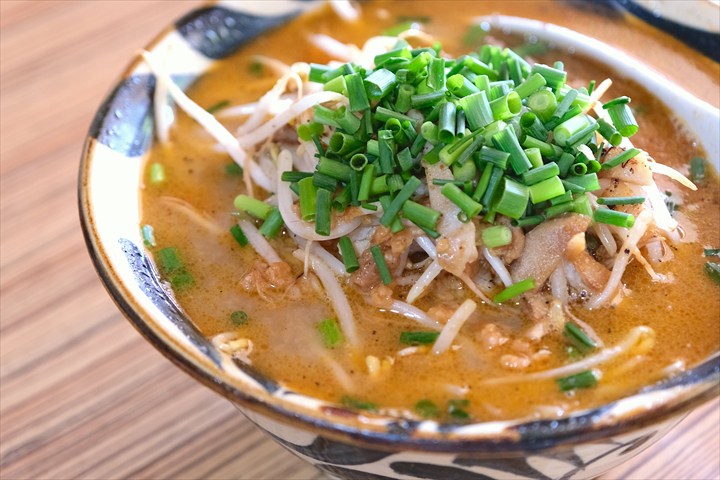 Savor the best of Kumejima's local specialties! A carefully selected guide to gourmet restaurants featuring local ingredients such as kuruma prawns and Kumejima red chicken.
 Nago, Motobu & Chatan Craft Marche Guide | Period & Overview
 Port River Market: A curated selection of products | Adding a touch of Okinawa to your life
 Looking to buy Awamori for under 1,000 yen in Okinawa? Here are our top 3 picks for new and aged Awamori!
 OKINAWA CACAO Factory & Café | Aiming for 100% Okinawan-made chocolate